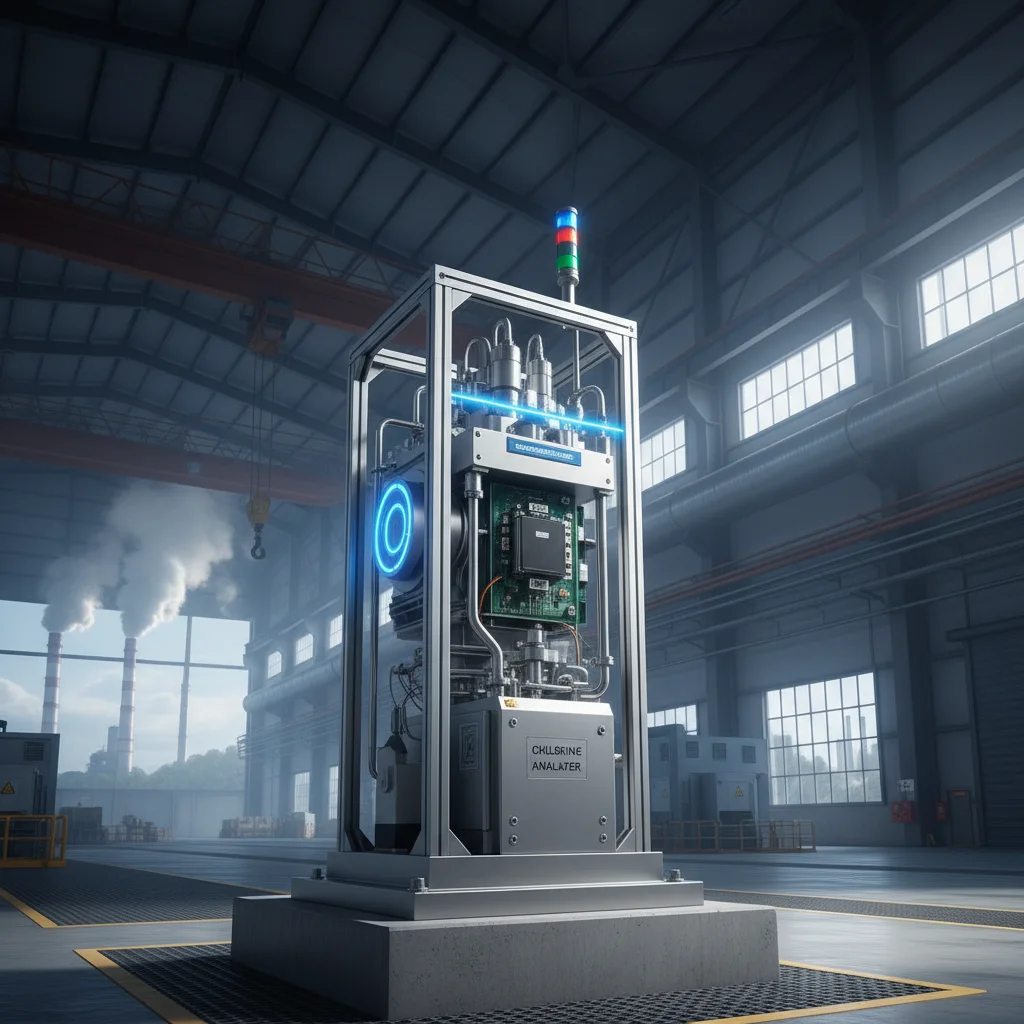
The quality of water is paramount to life, impacting everything from human health and agricultural productivity to industrial processes and ecosystem sustainability. Increasingly, monitoring this crucial resource requires real-time, accurate data, and this is where the online water quality analyzer comes into play. These sophisticated systems provide continuous insights into key water parameters, moving beyond traditional, time-consuming lab analyses. The ability to remotely monitor and respond to changes in water quality is becoming essential for effective resource management and public safety.
Globally, access to safe and clean water remains a significant challenge. According to the UN, billions lack access to safely managed drinking water services, and waterborne diseases remain a leading cause of death, particularly in developing nations. The online water quality analyzer addresses this issue by enabling proactive monitoring, rapid detection of contaminants, and informed decision-making for water treatment and distribution. Furthermore, industrial sectors are facing stricter environmental regulations, necessitating continuous monitoring of wastewater discharge to prevent pollution.
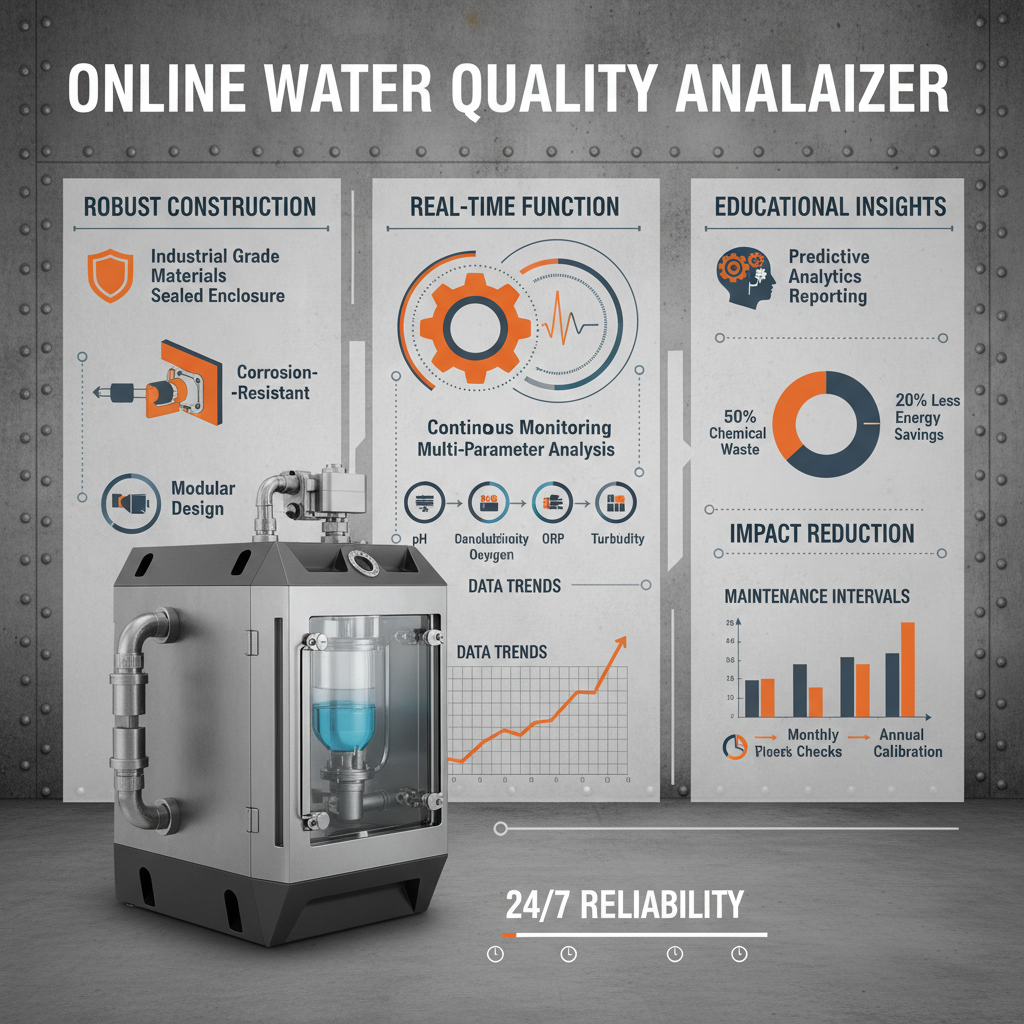
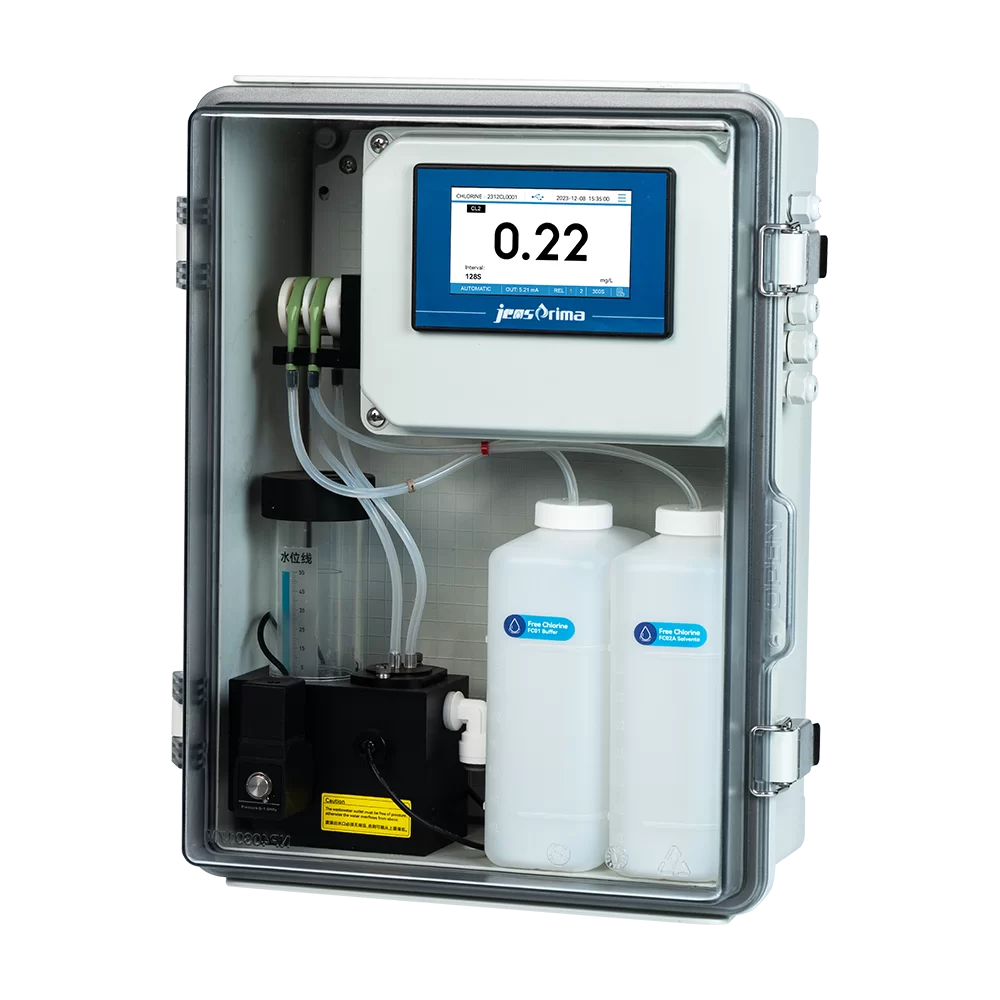
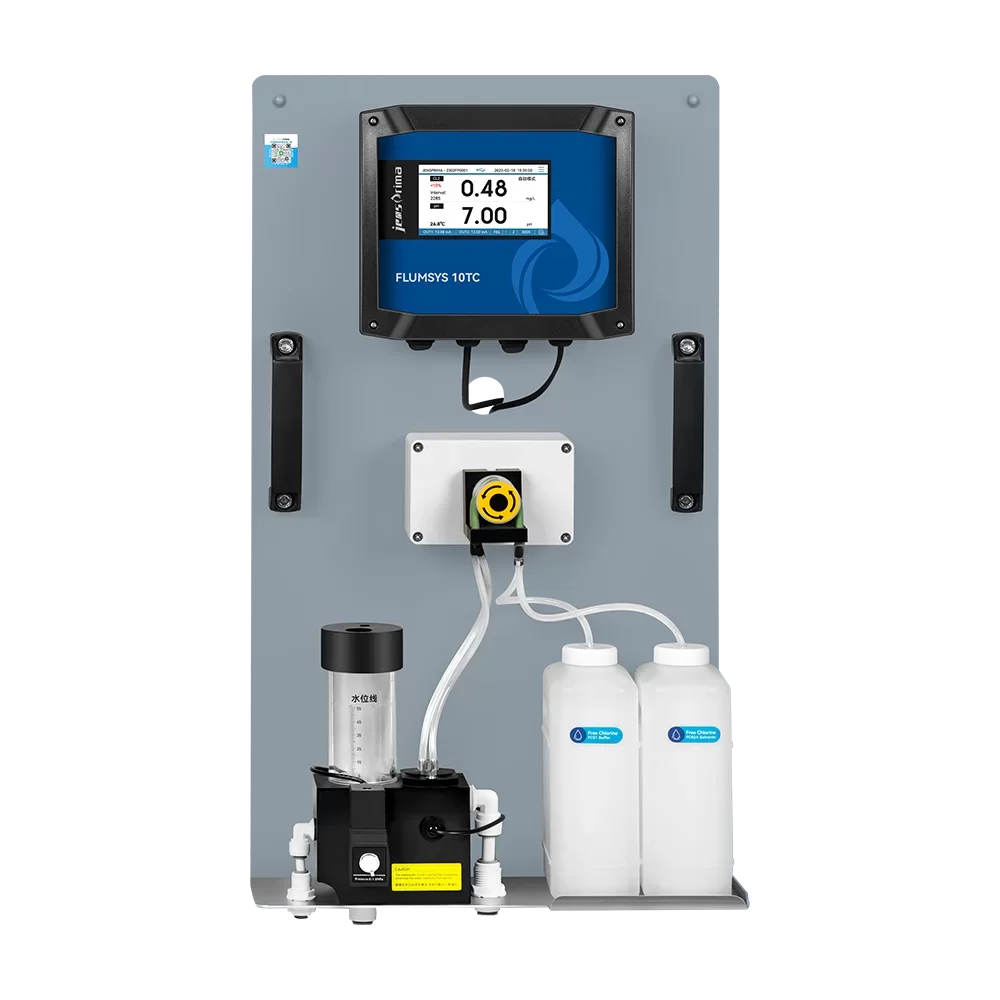
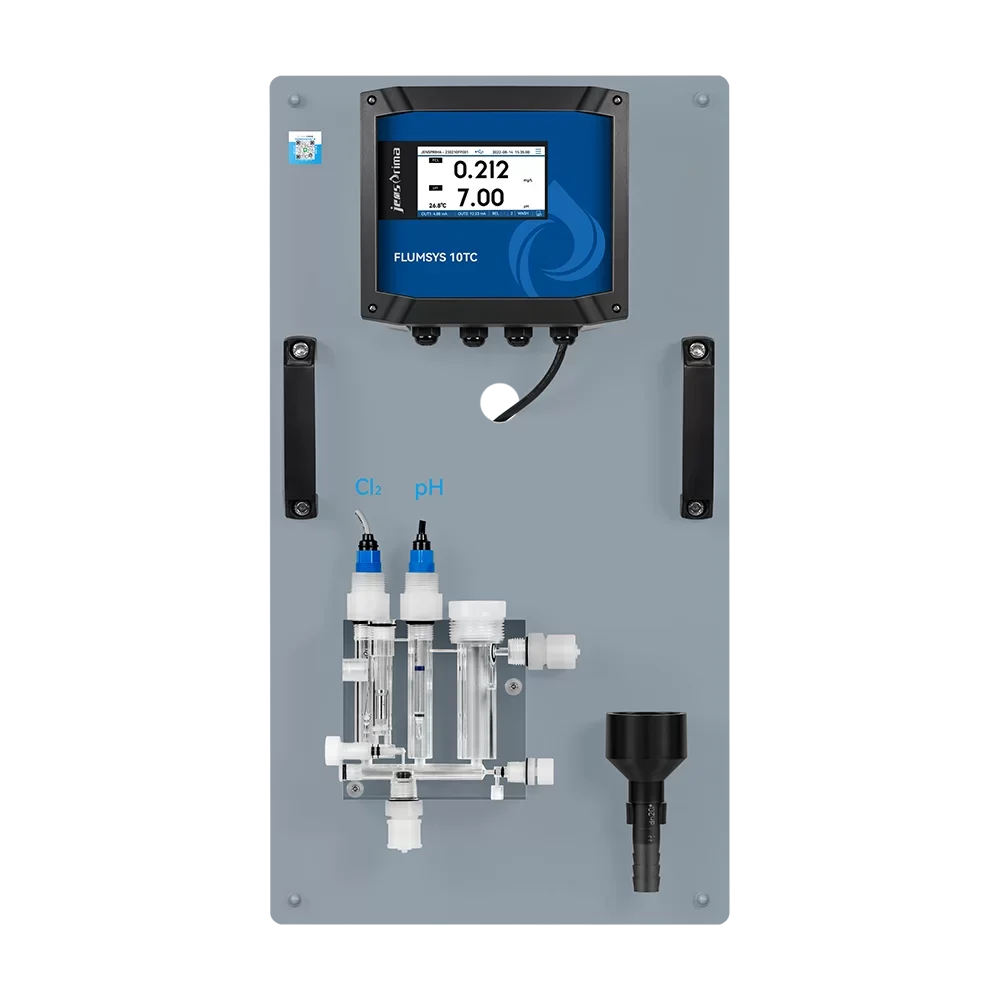
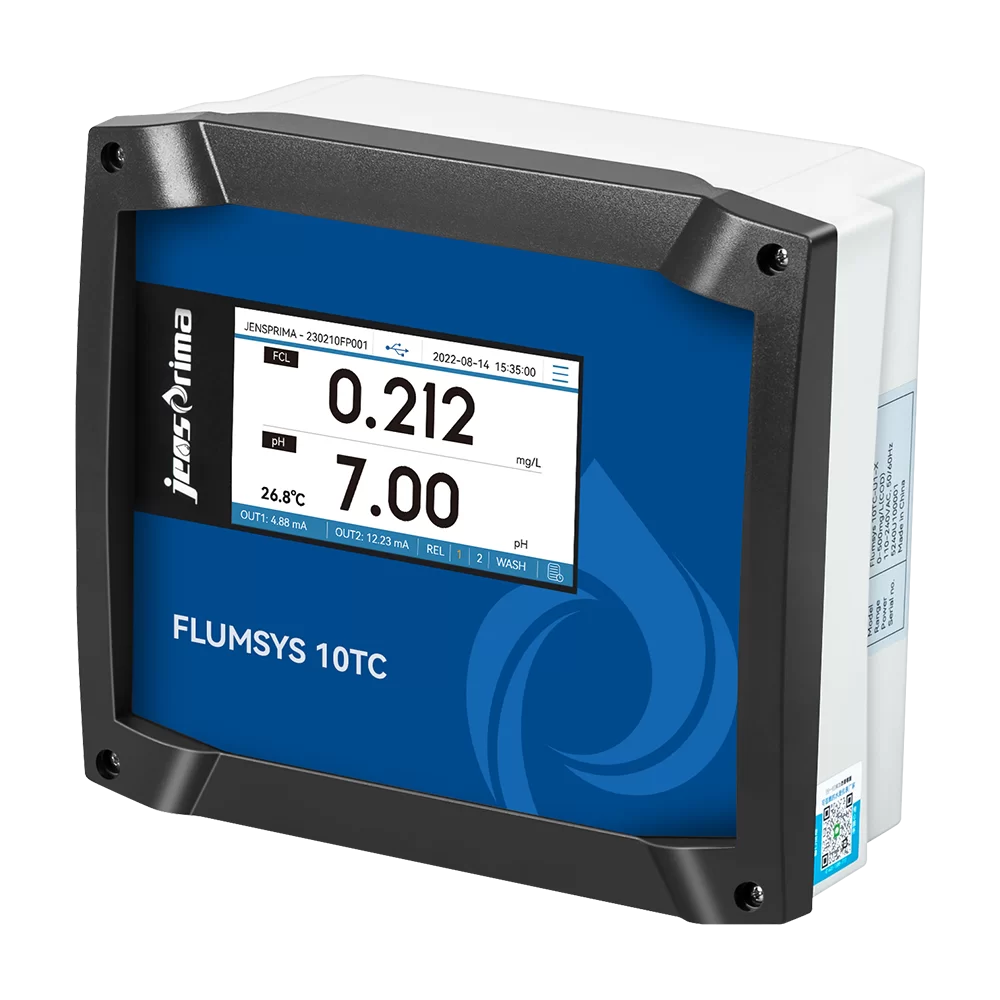
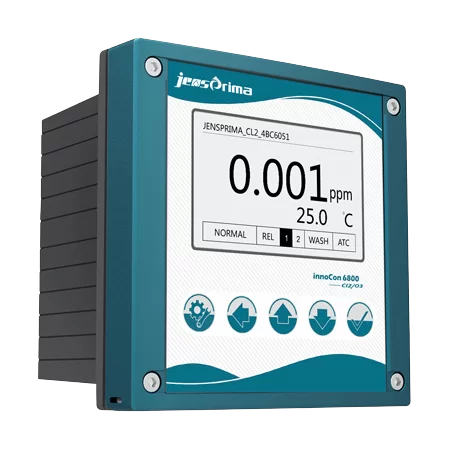
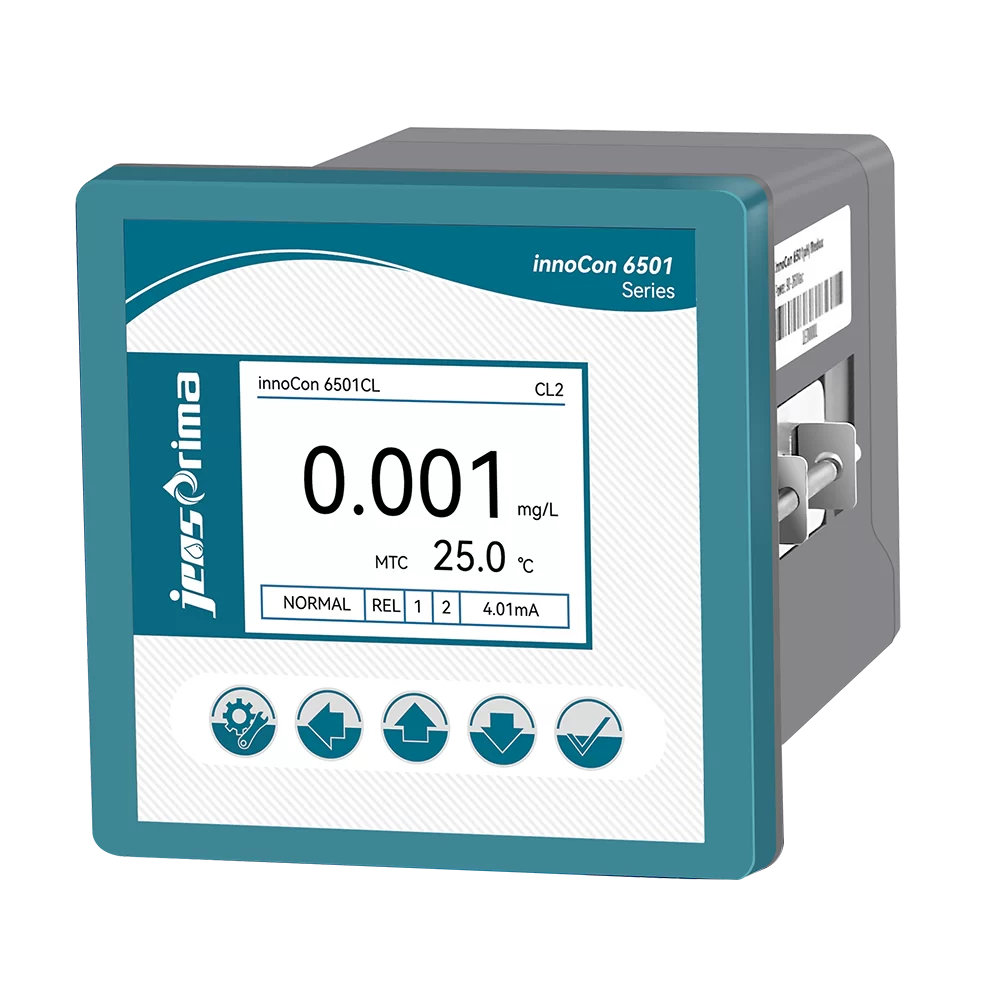
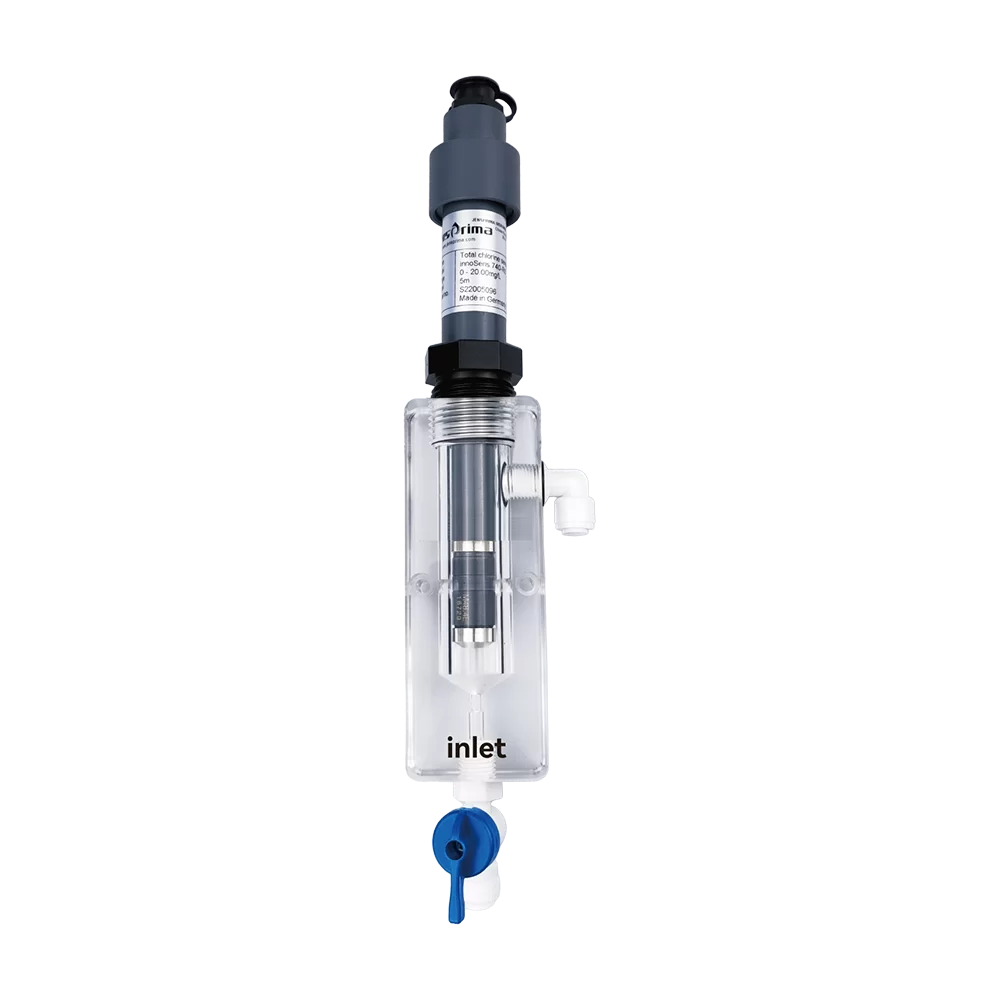
An online water quality analyzer is a device or integrated system designed for the continuous, real-time measurement of various physical, chemical, and biological parameters in water. Unlike traditional grab samples analyzed in a laboratory, these analyzers deliver immediate data, allowing for quicker responses to changing conditions. Their use is expanding rapidly across diverse sectors, including municipal water treatment, industrial effluent monitoring, environmental research, aquaculture, and recreational water management, ultimately contributing to the protection of public health and the environment.
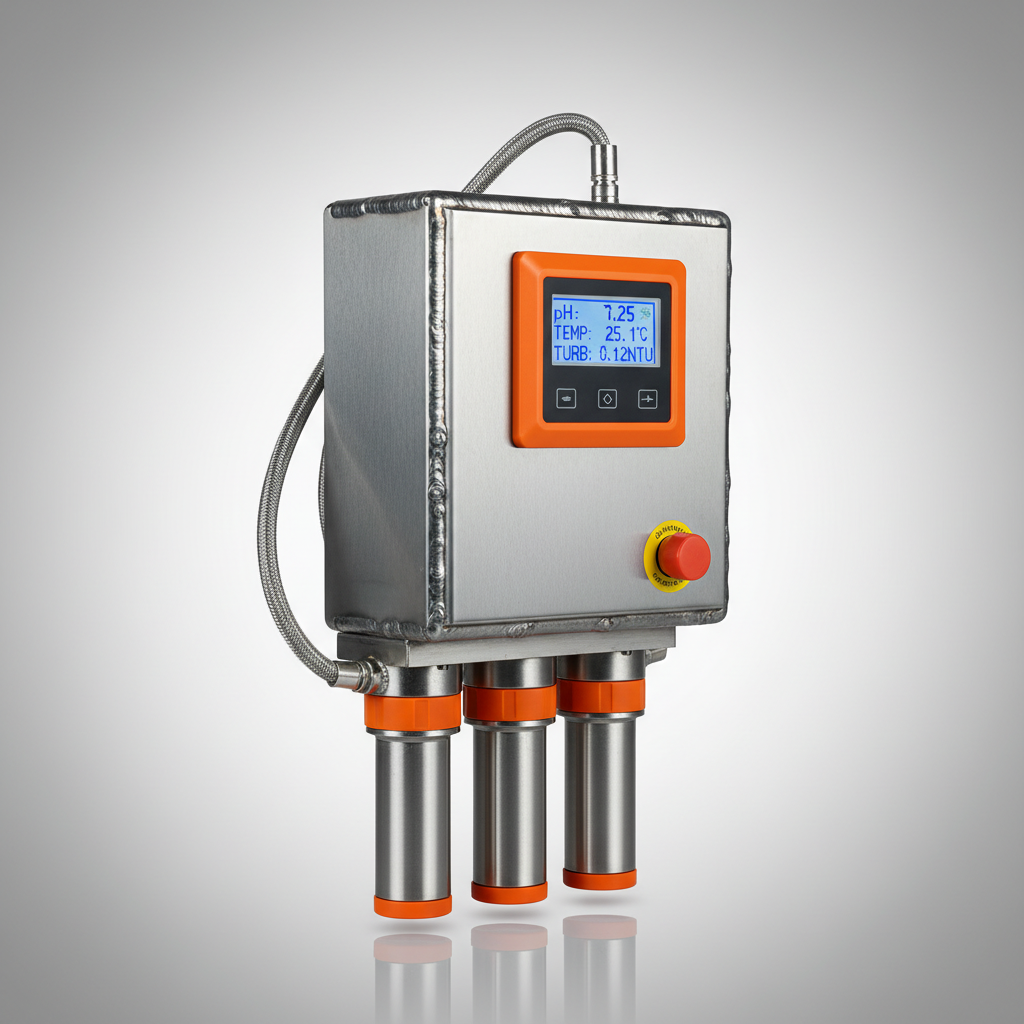
Introduction to Online Water Quality Analyzers
The advent of online water quality analyzer technology represents a paradigm shift in water resource management. Historically, water quality assessment relied on collecting samples and sending them to laboratories for analysis. This process was not only time-consuming but also provided only a snapshot of water quality at a specific moment. Online analyzers eliminate these limitations by providing continuous, real-time data, enabling proactive monitoring and response to potential issues.
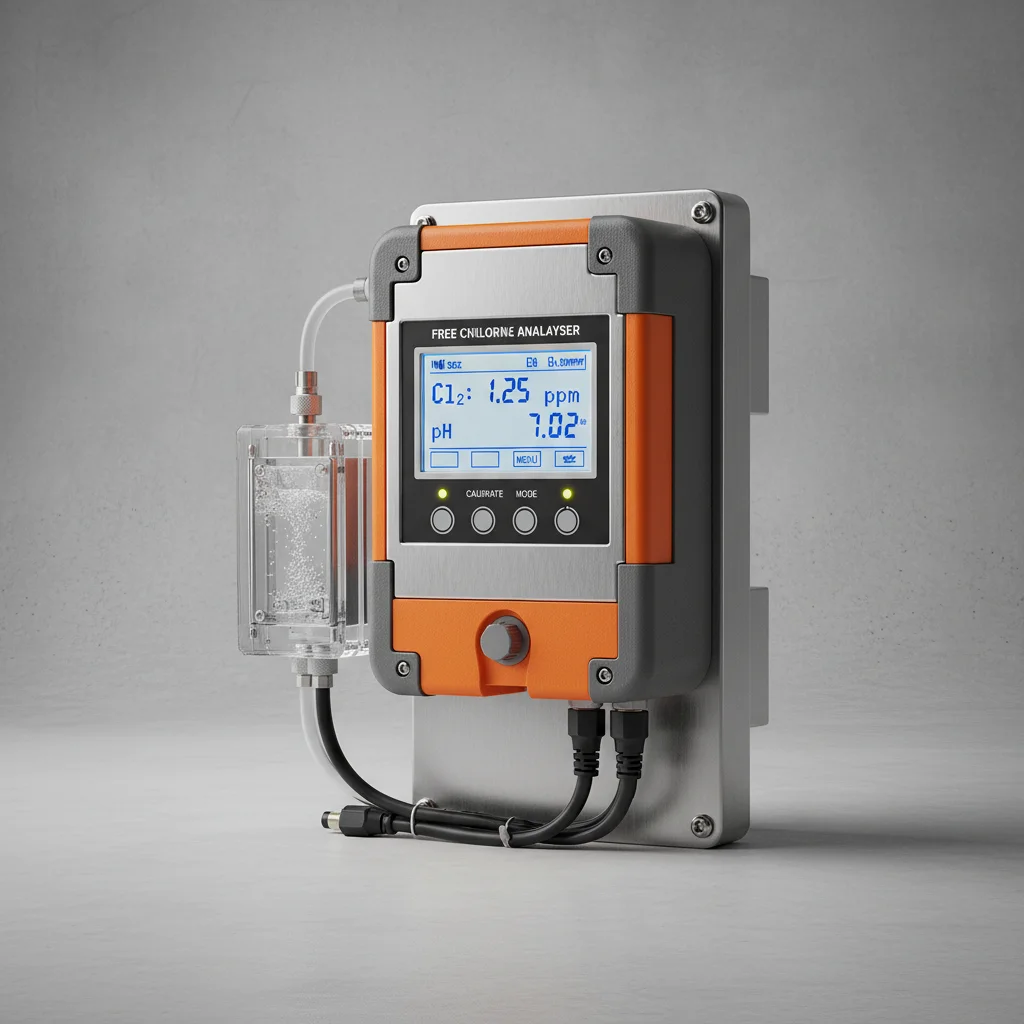
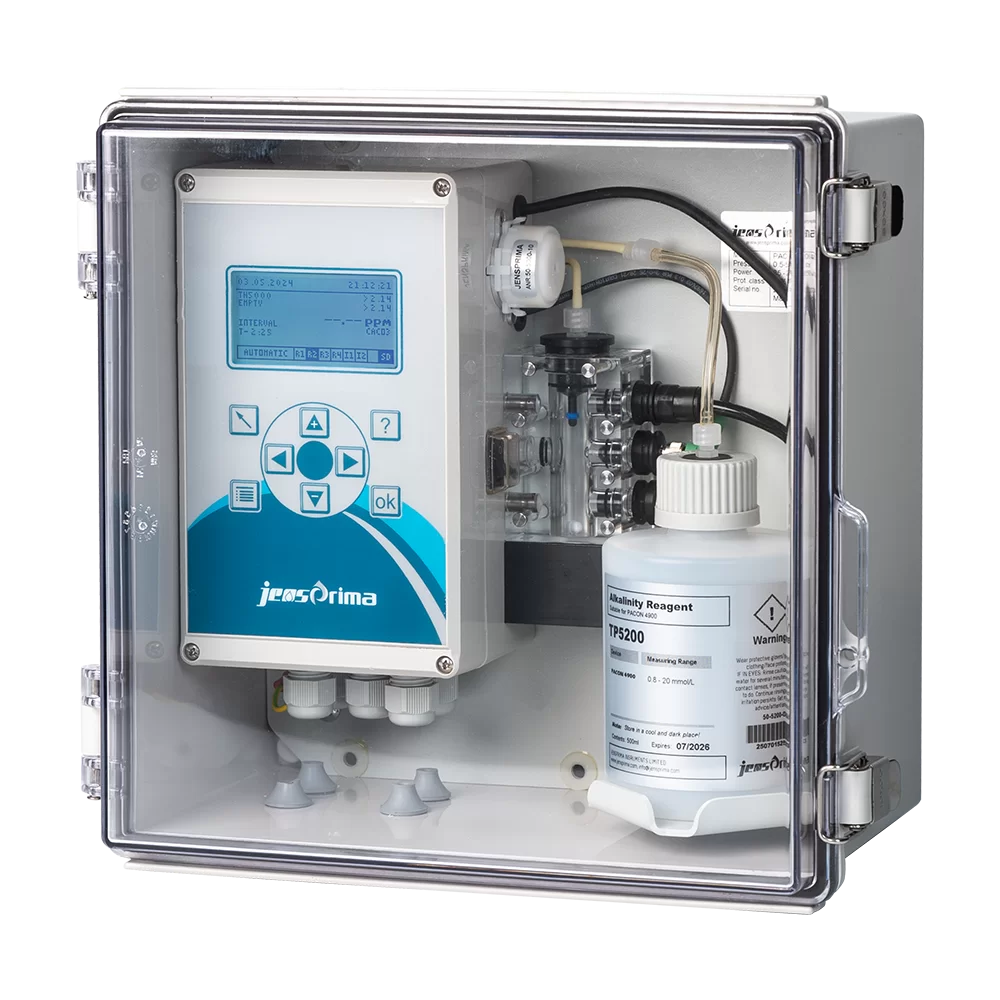
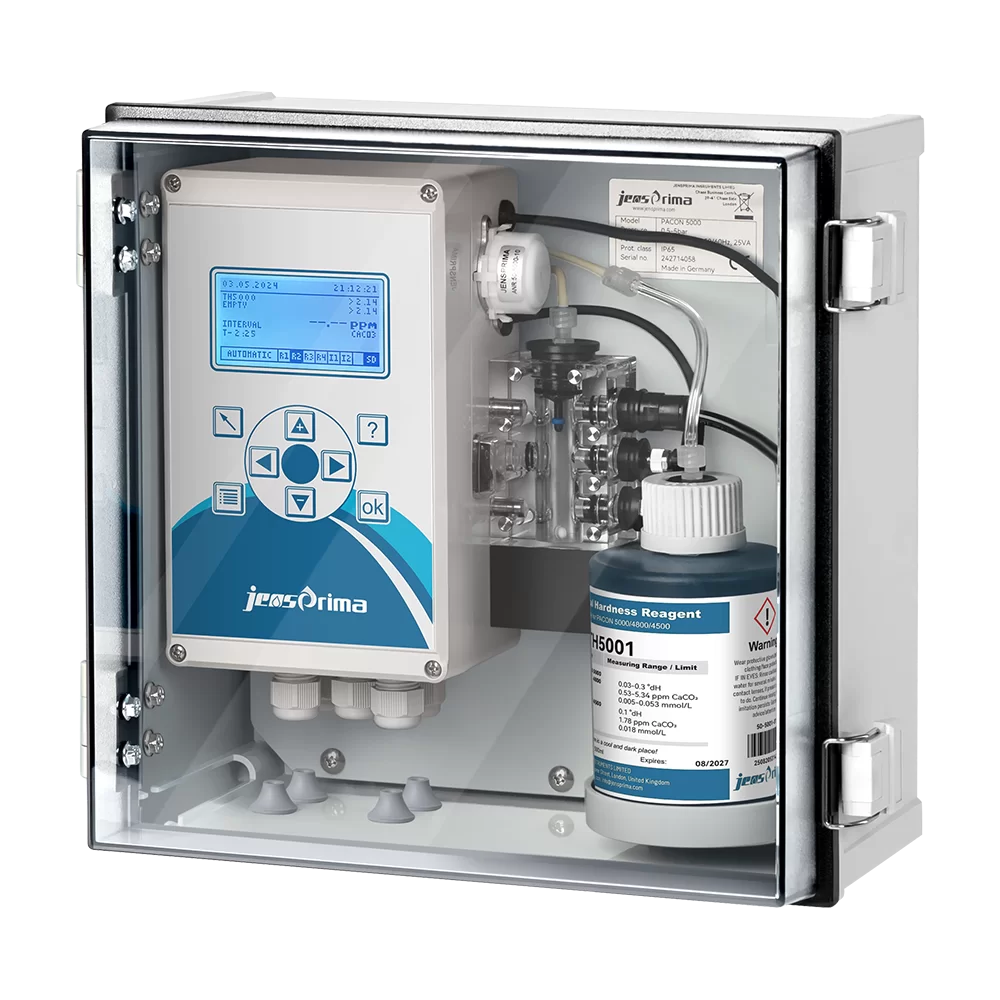
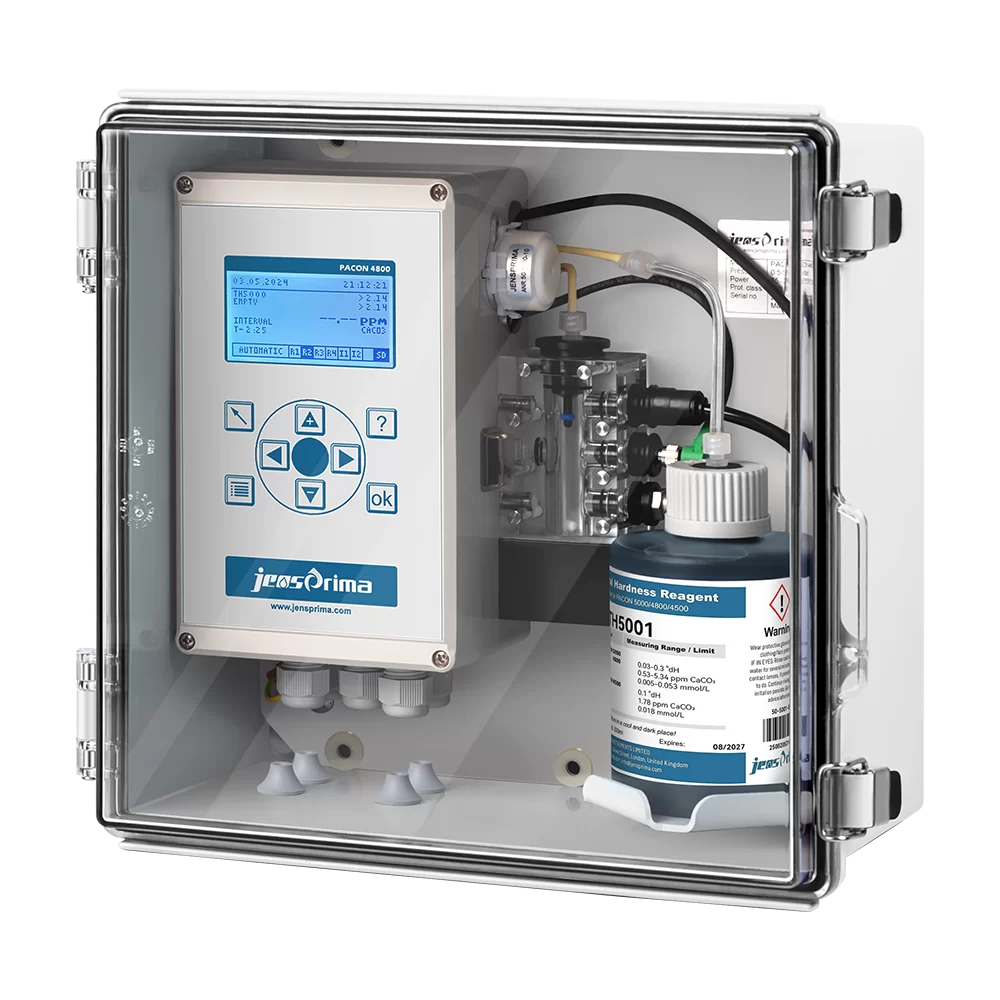
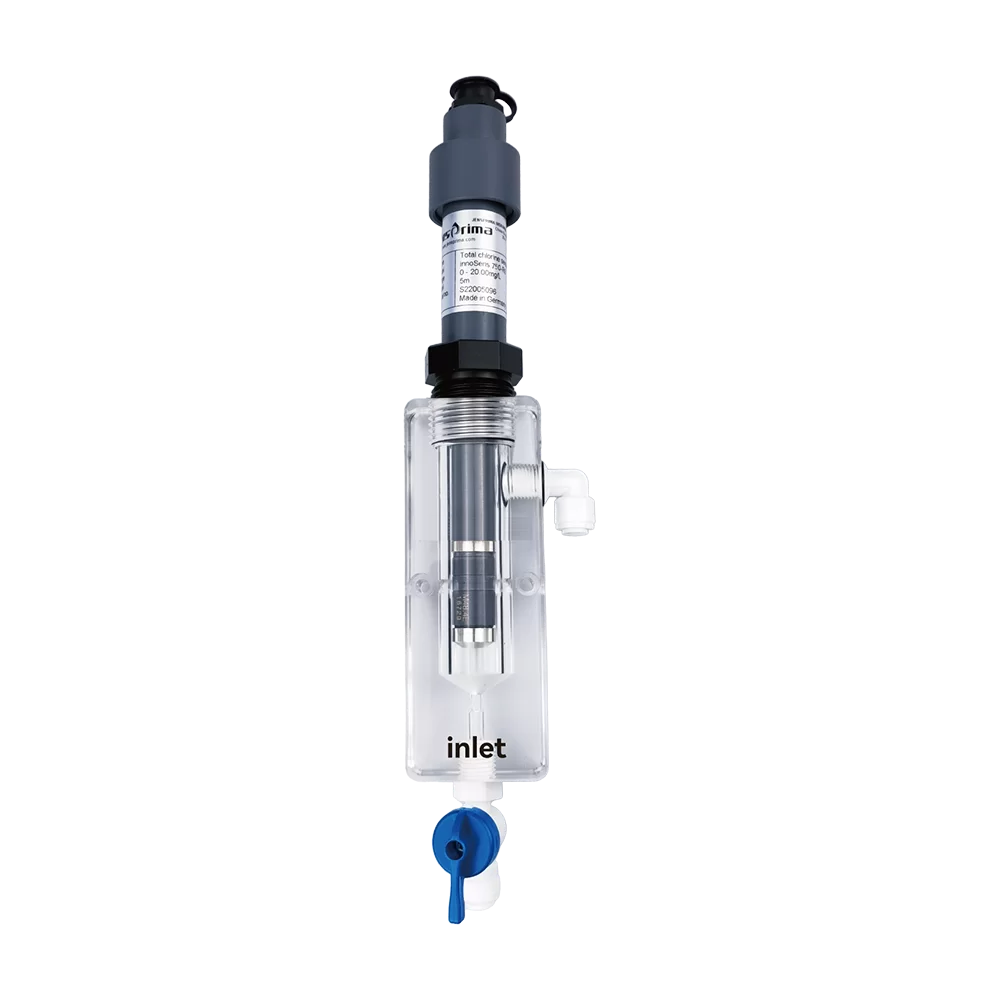
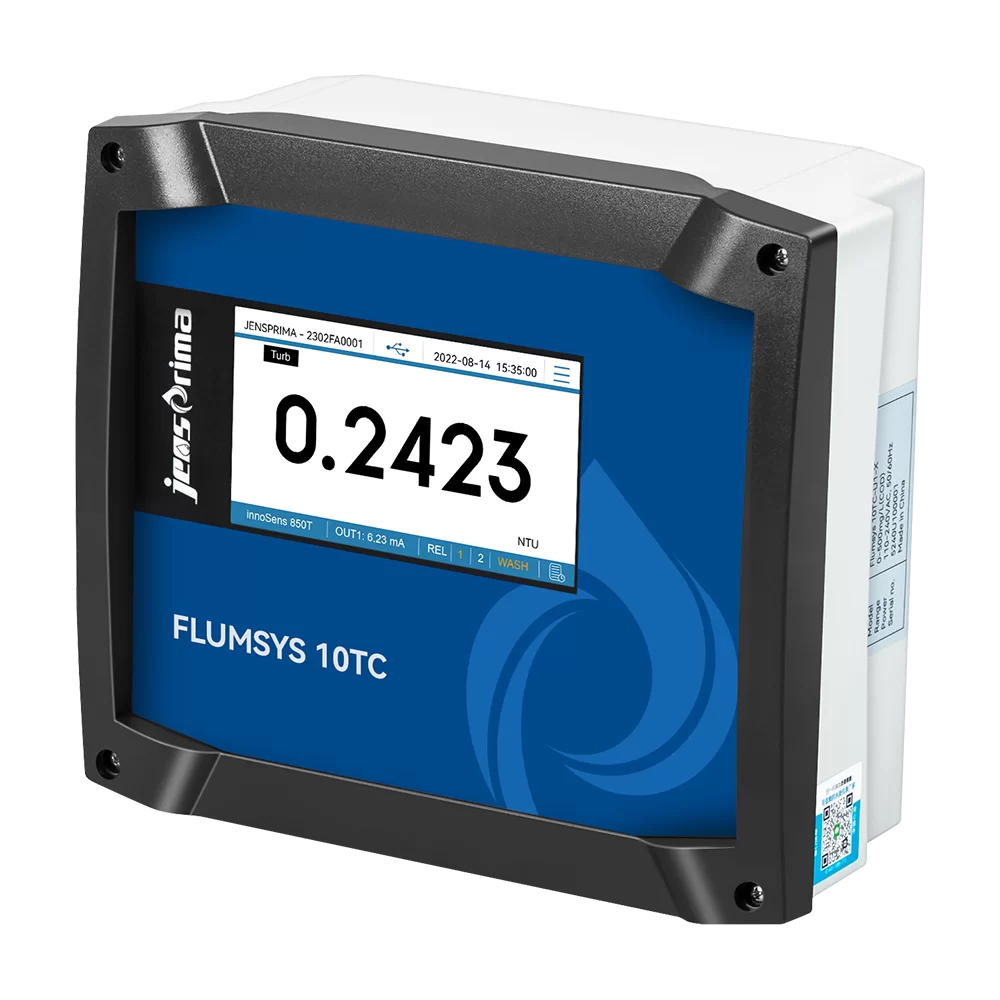
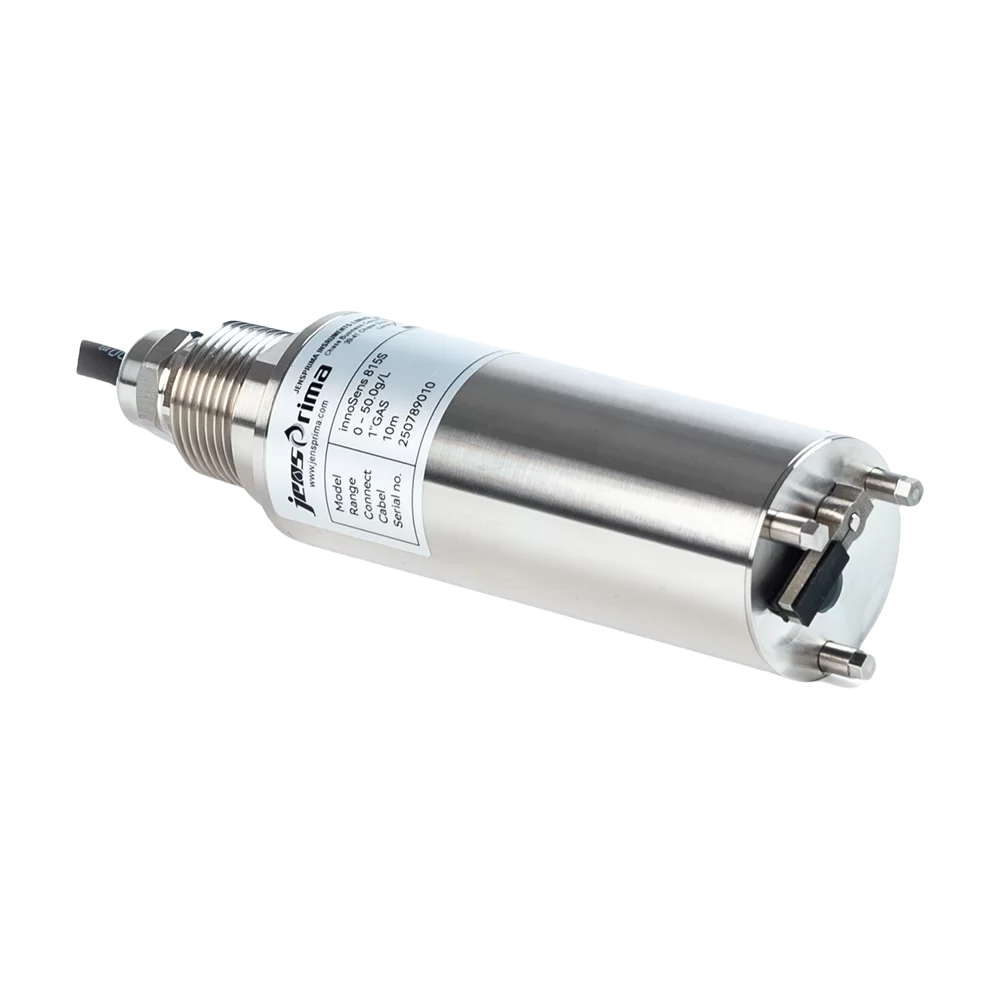
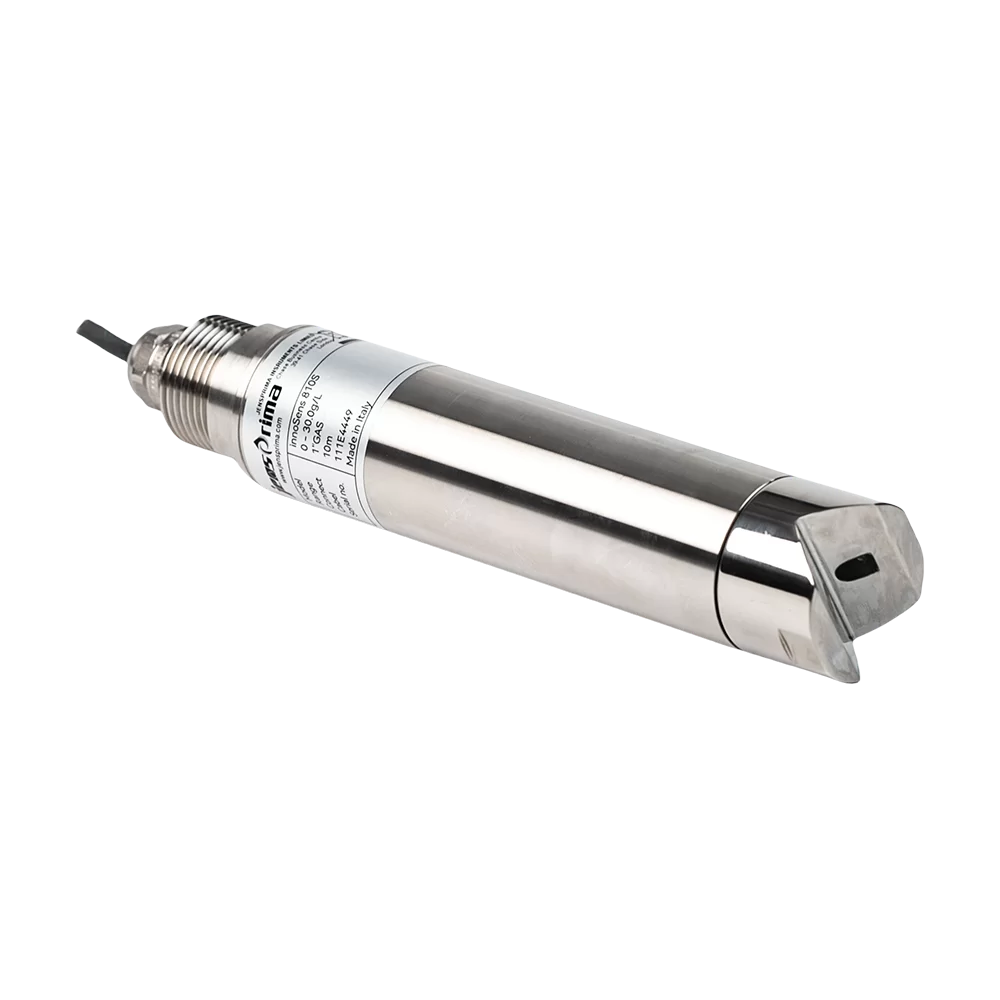
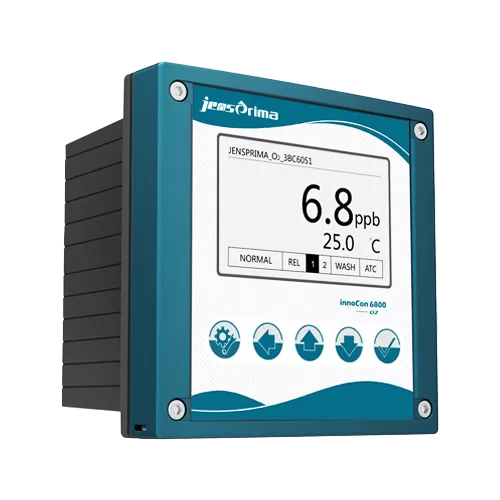
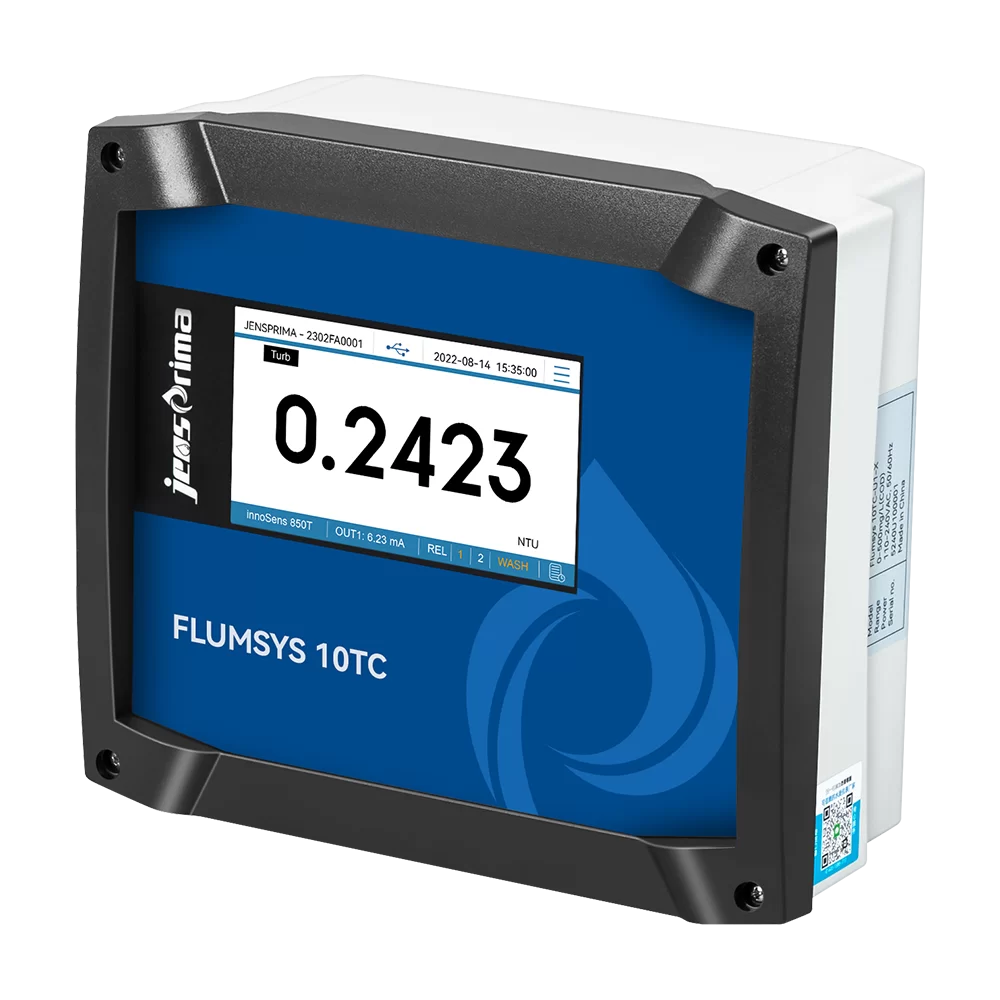
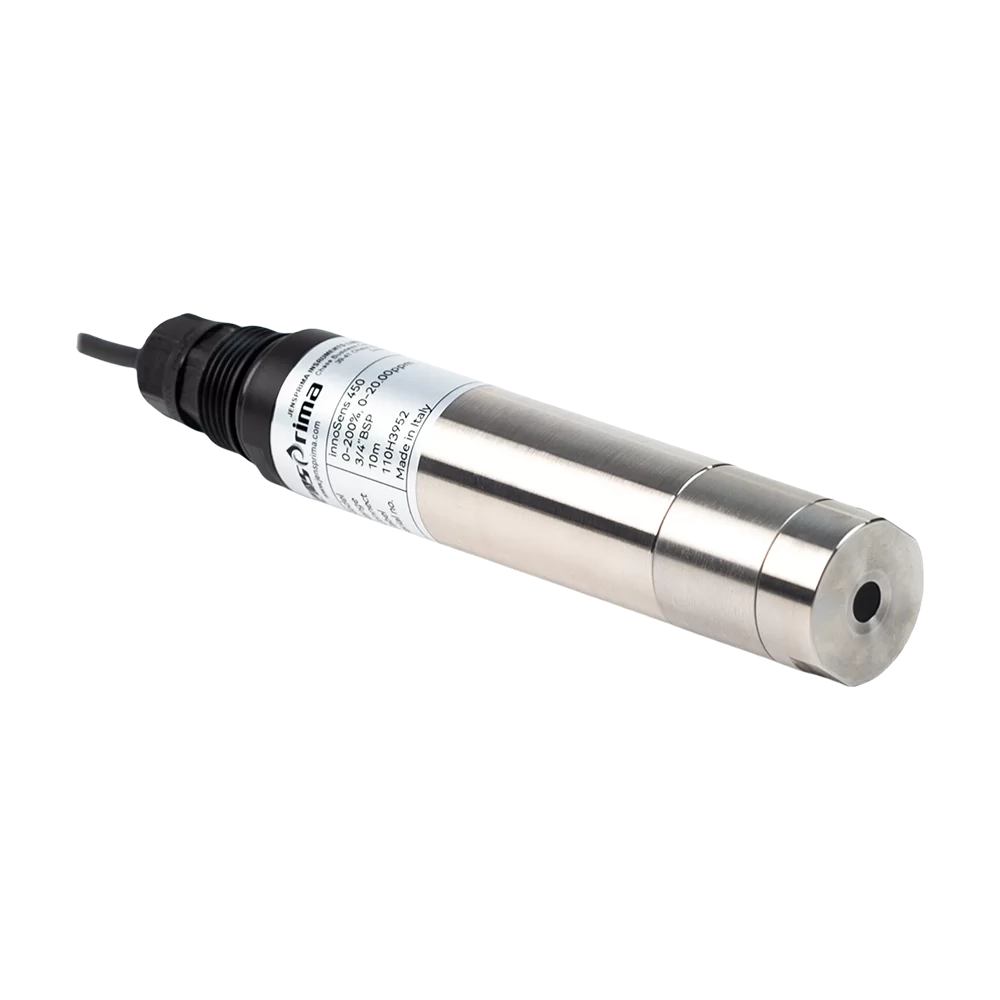
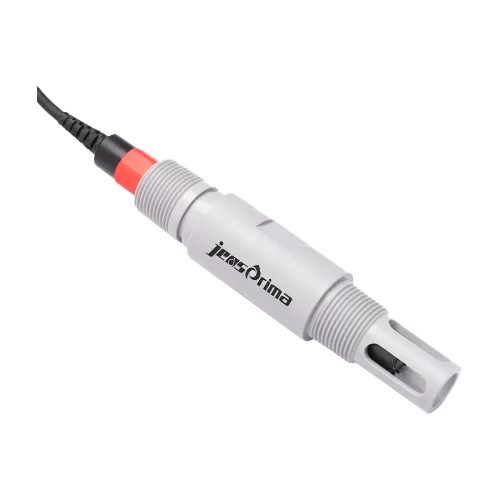
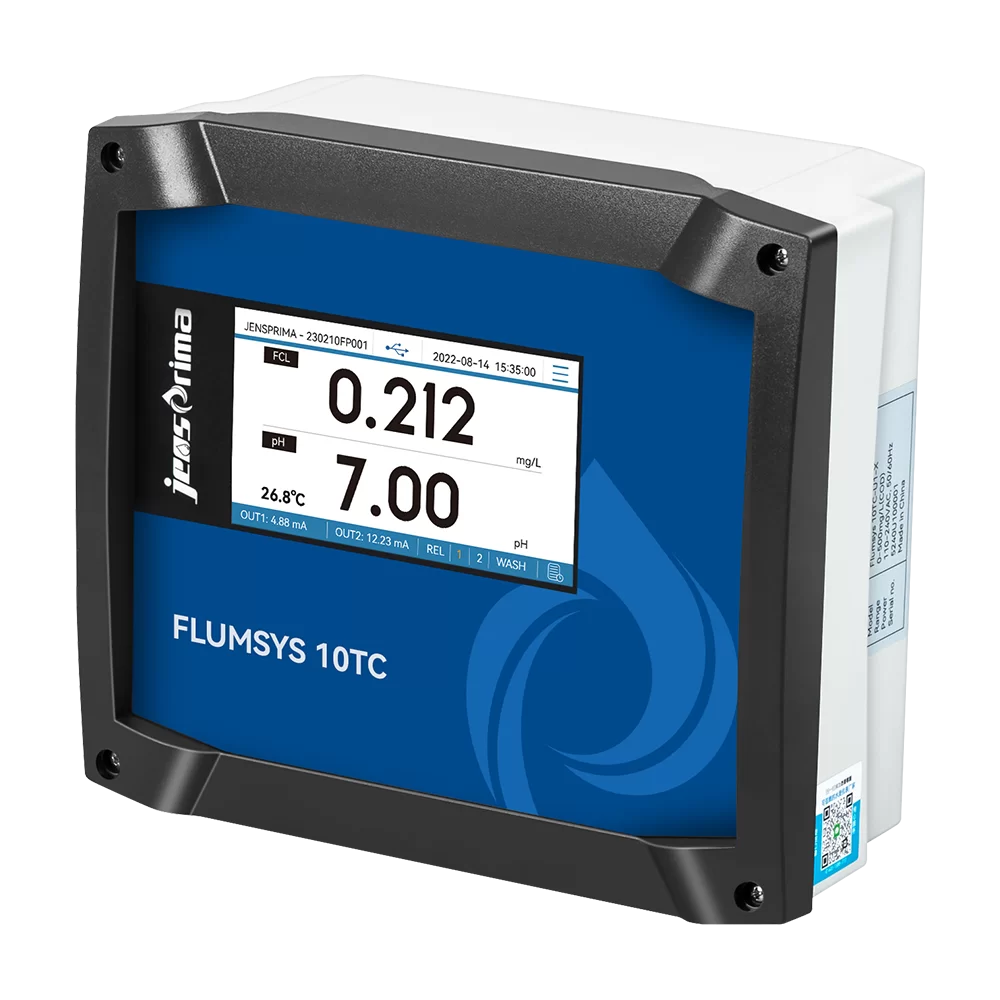
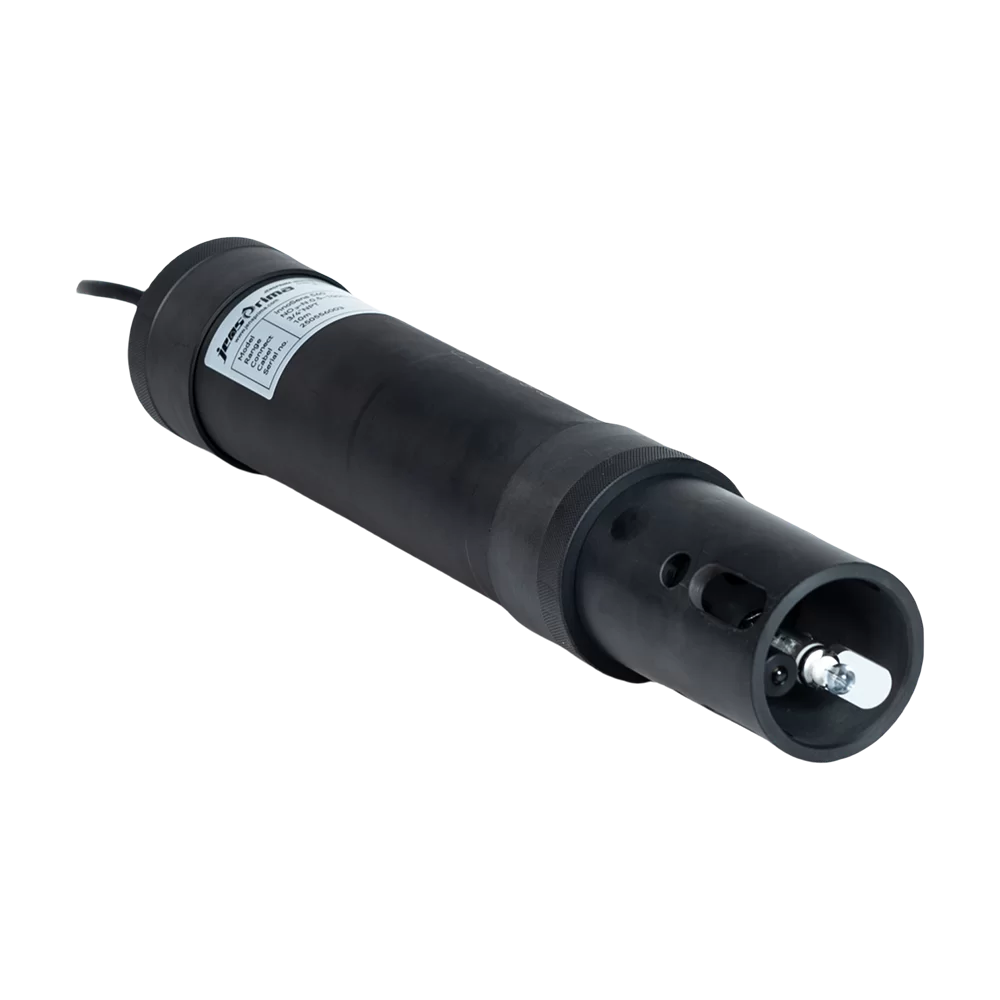
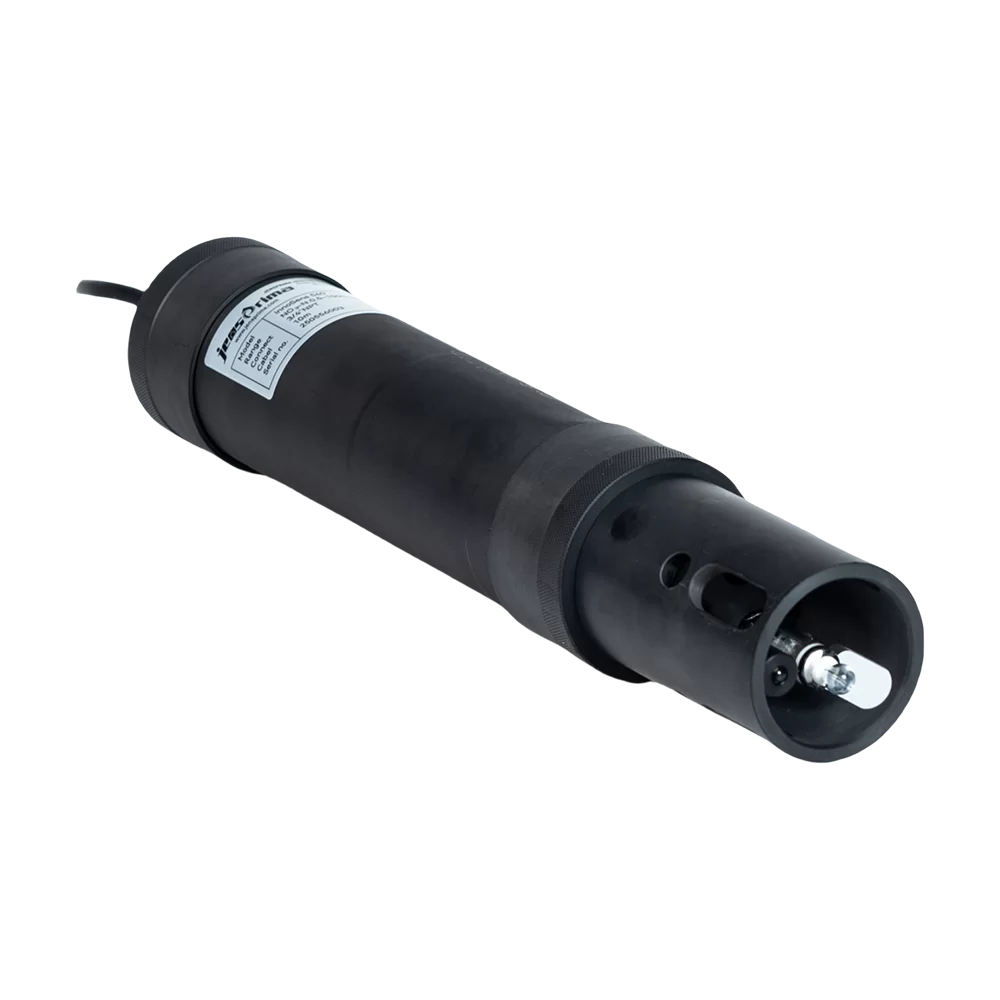
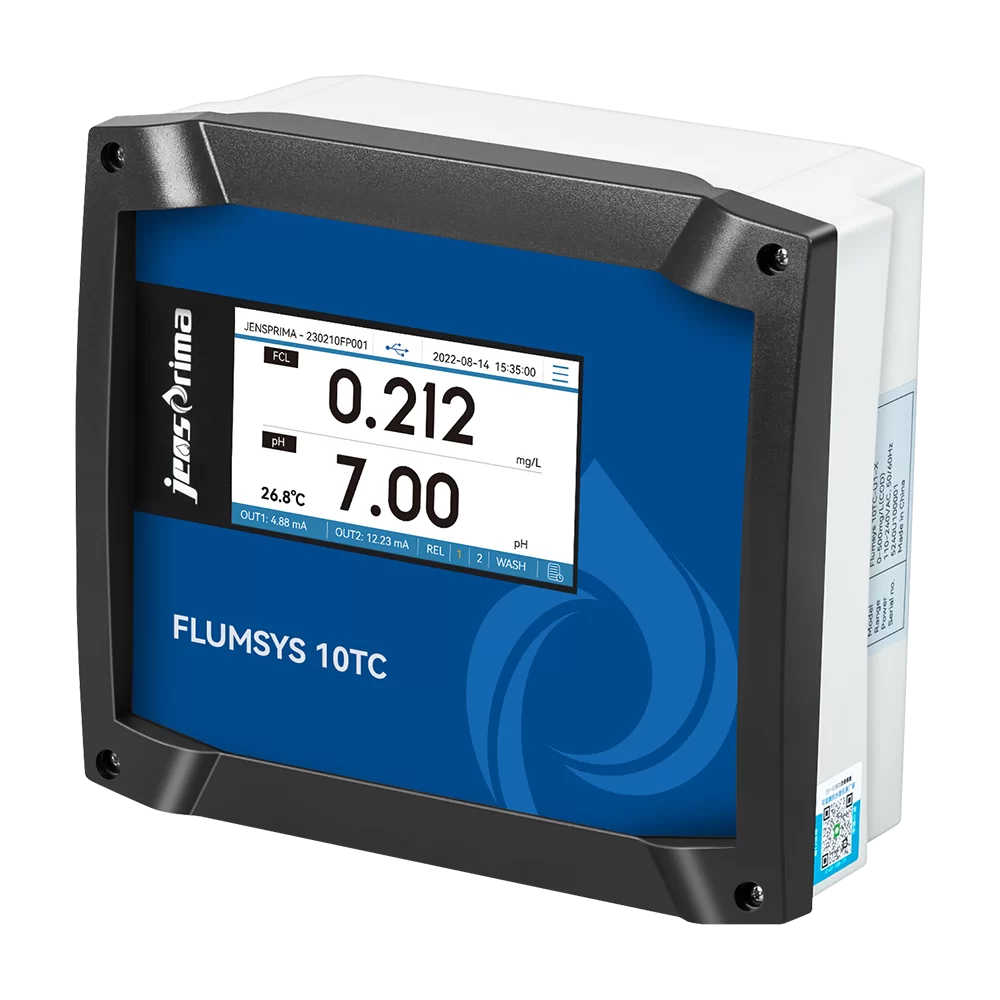
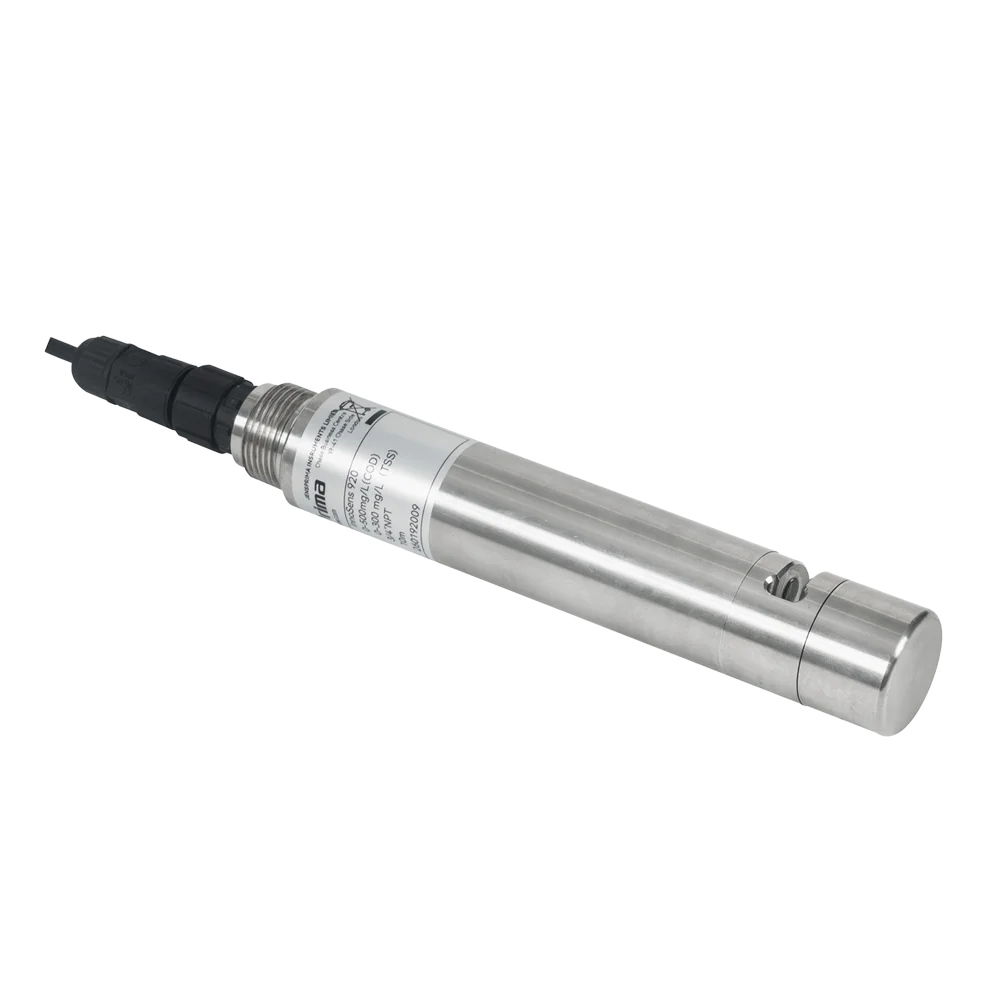
These instruments utilize a range of sensors and analytical techniques to measure parameters such as pH, dissolved oxygen, turbidity, conductivity, temperature, and specific ion concentrations. Modern online water quality analyzer are often equipped with remote communication capabilities, allowing data to be transmitted to central monitoring stations for analysis and reporting, empowering stakeholders with the information needed to make informed decisions.
The Core Principles of Operation
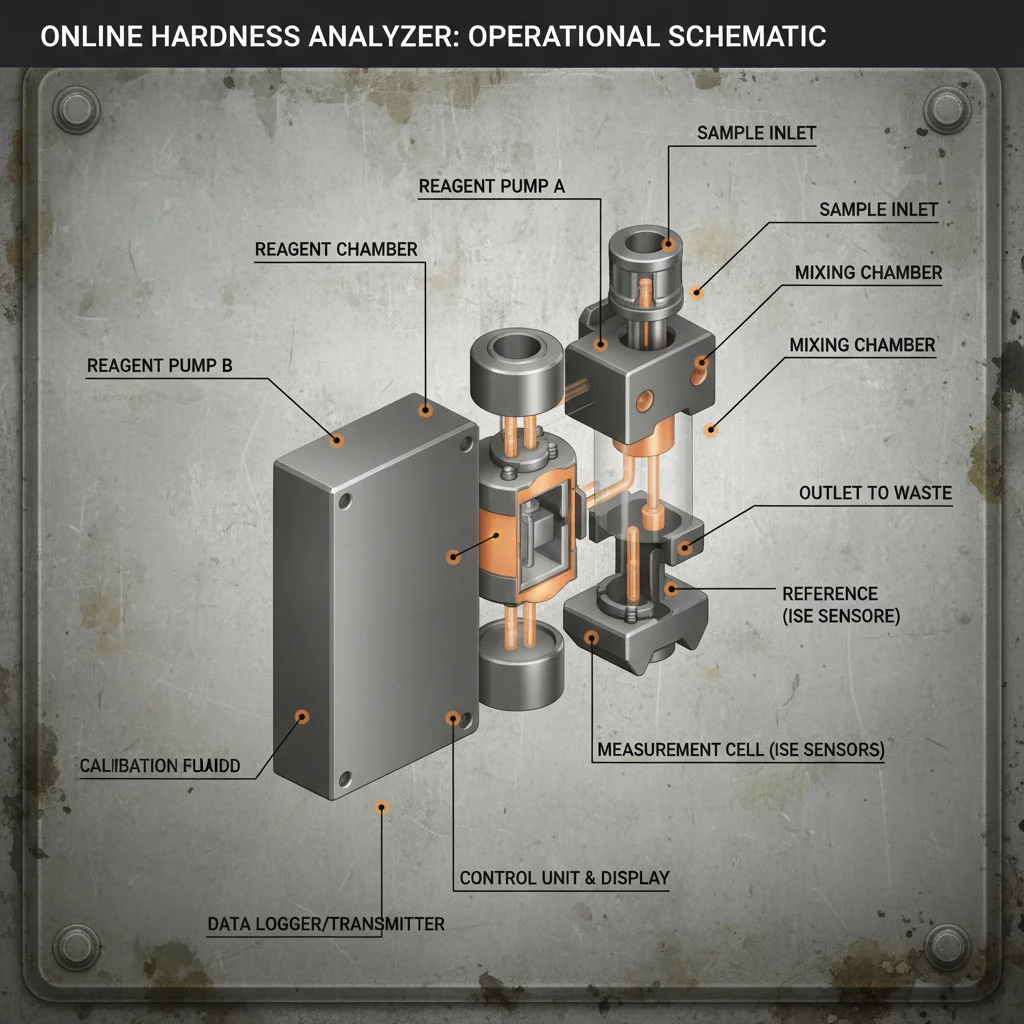
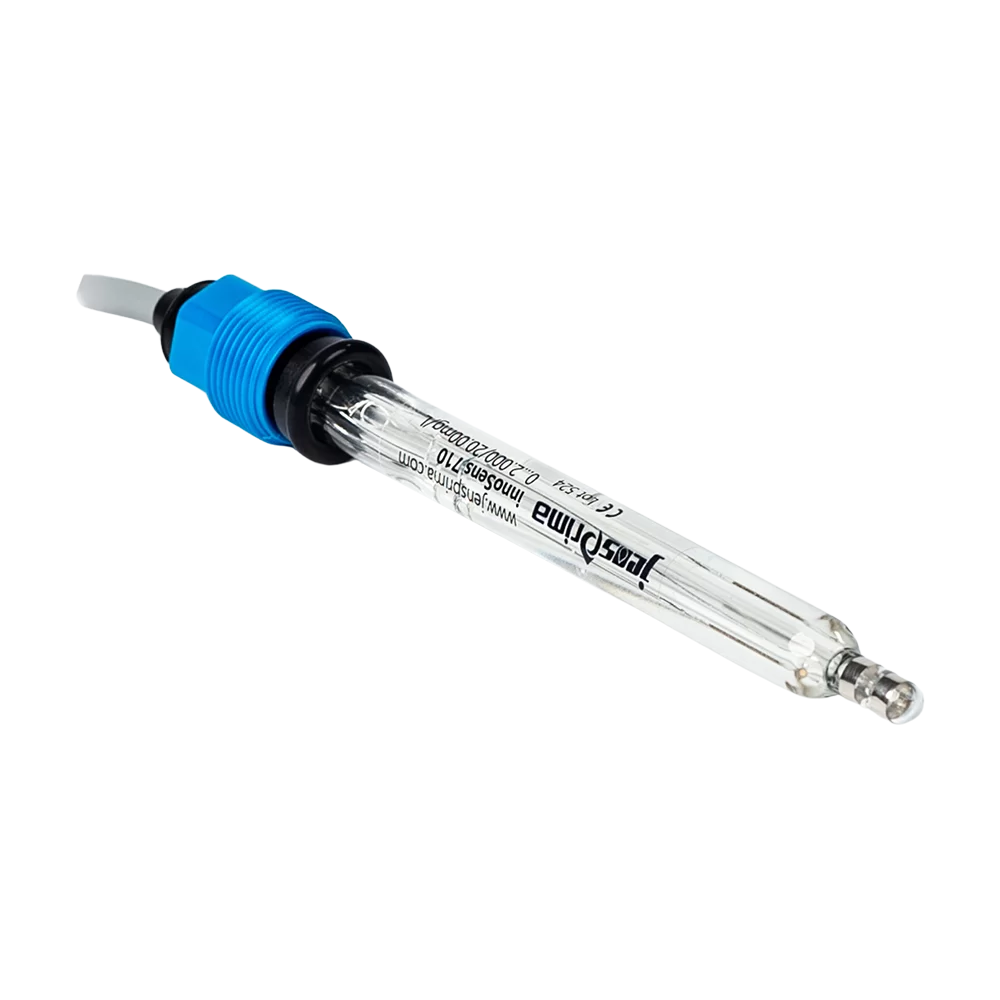
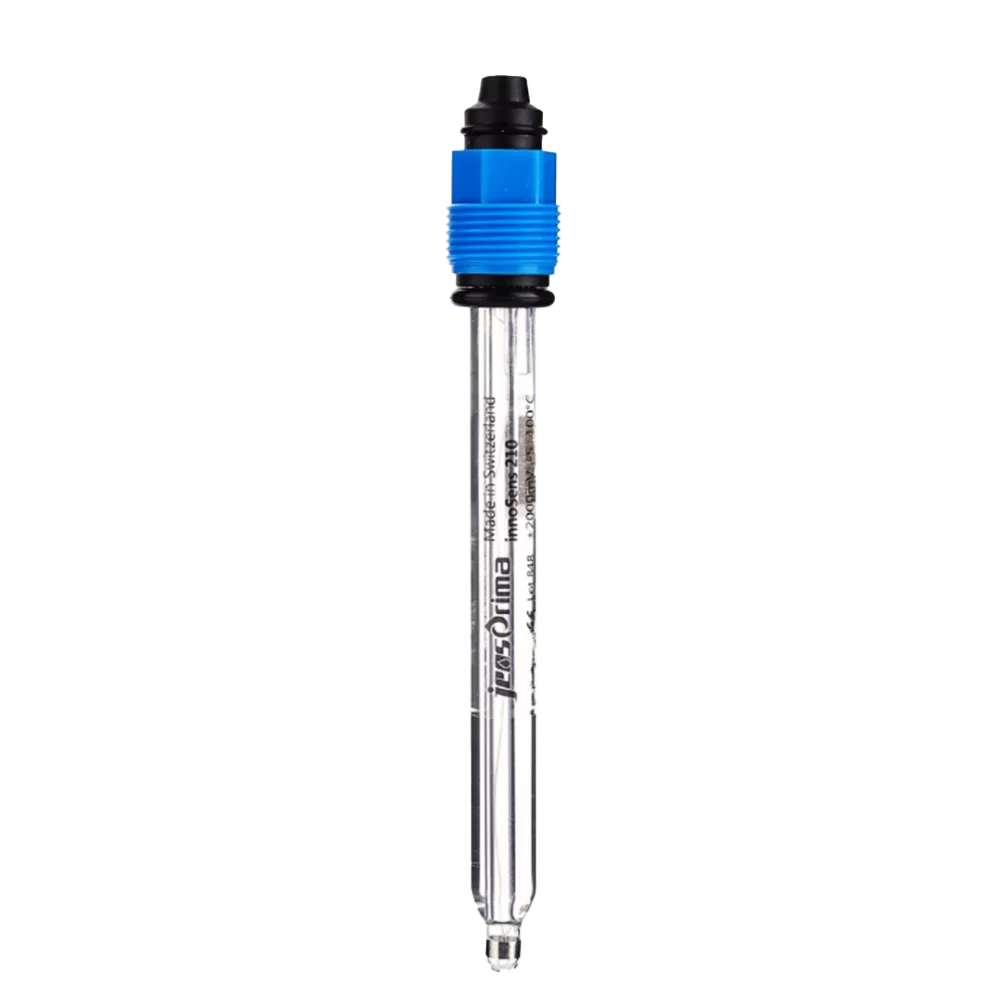
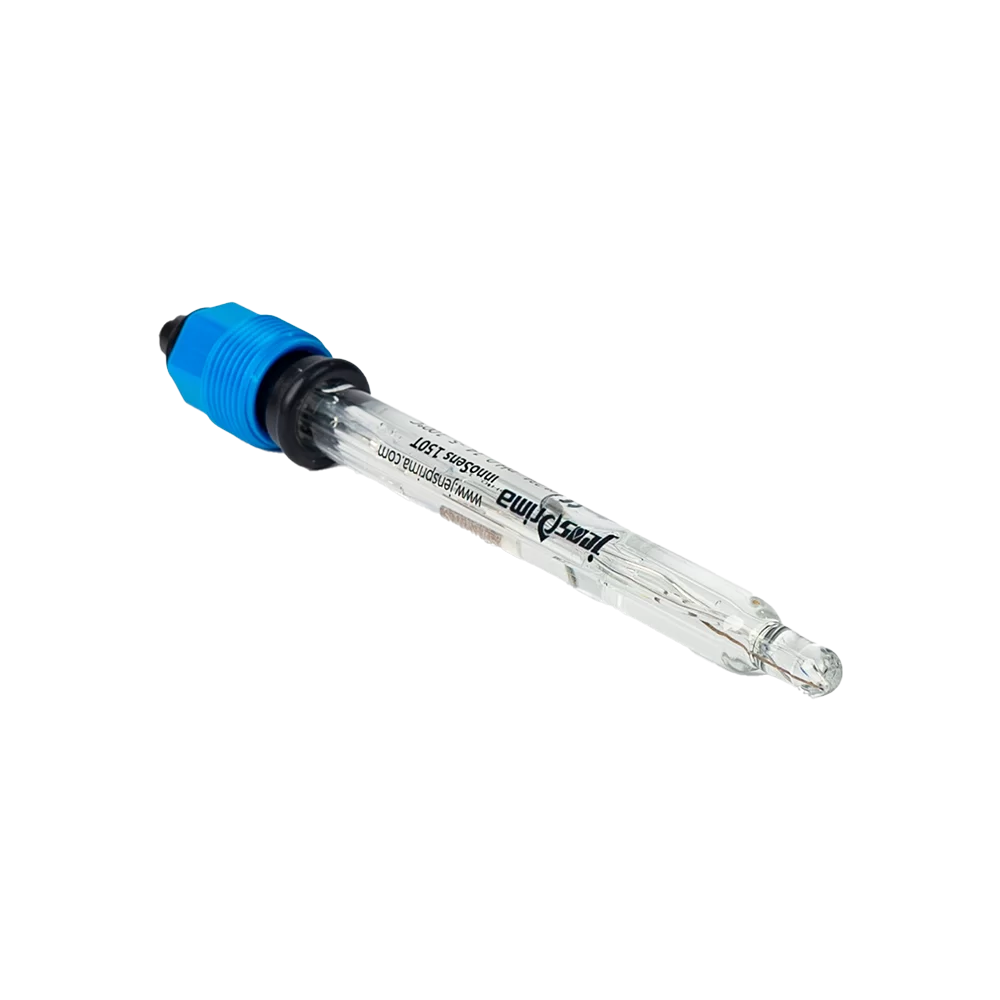
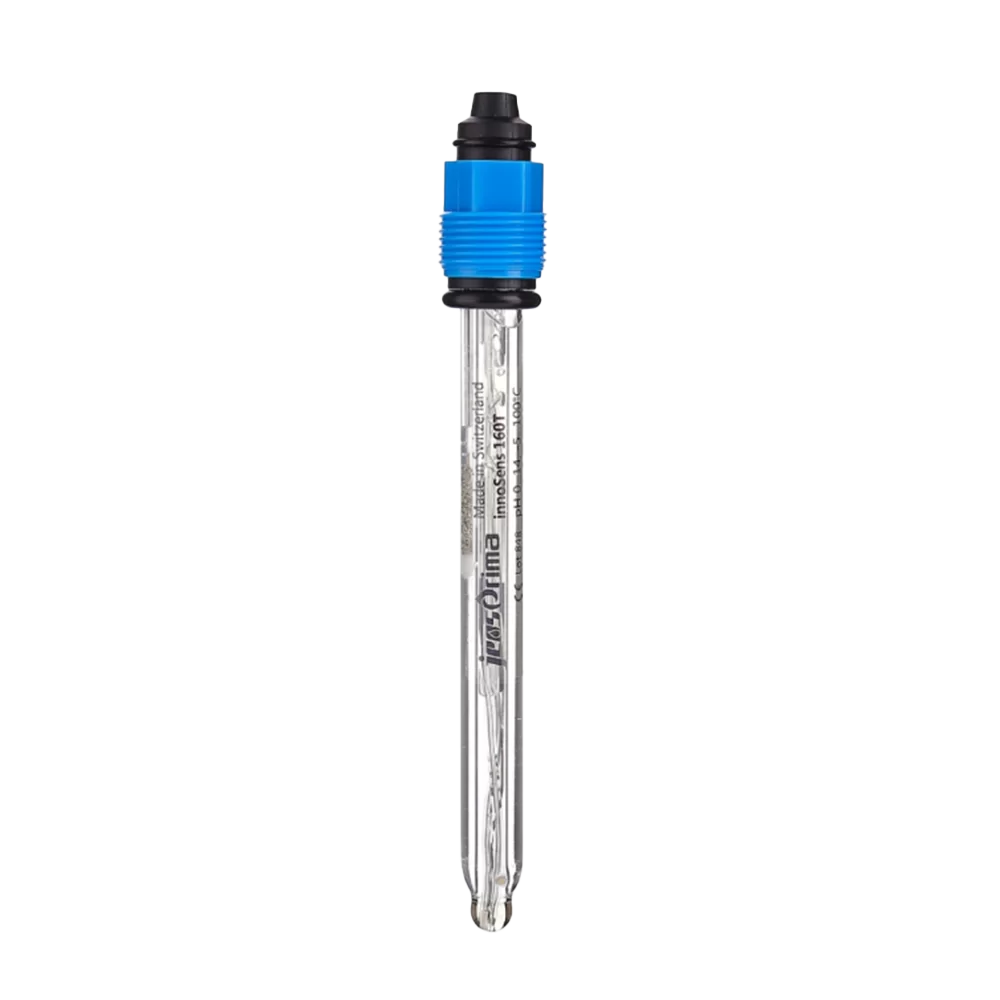
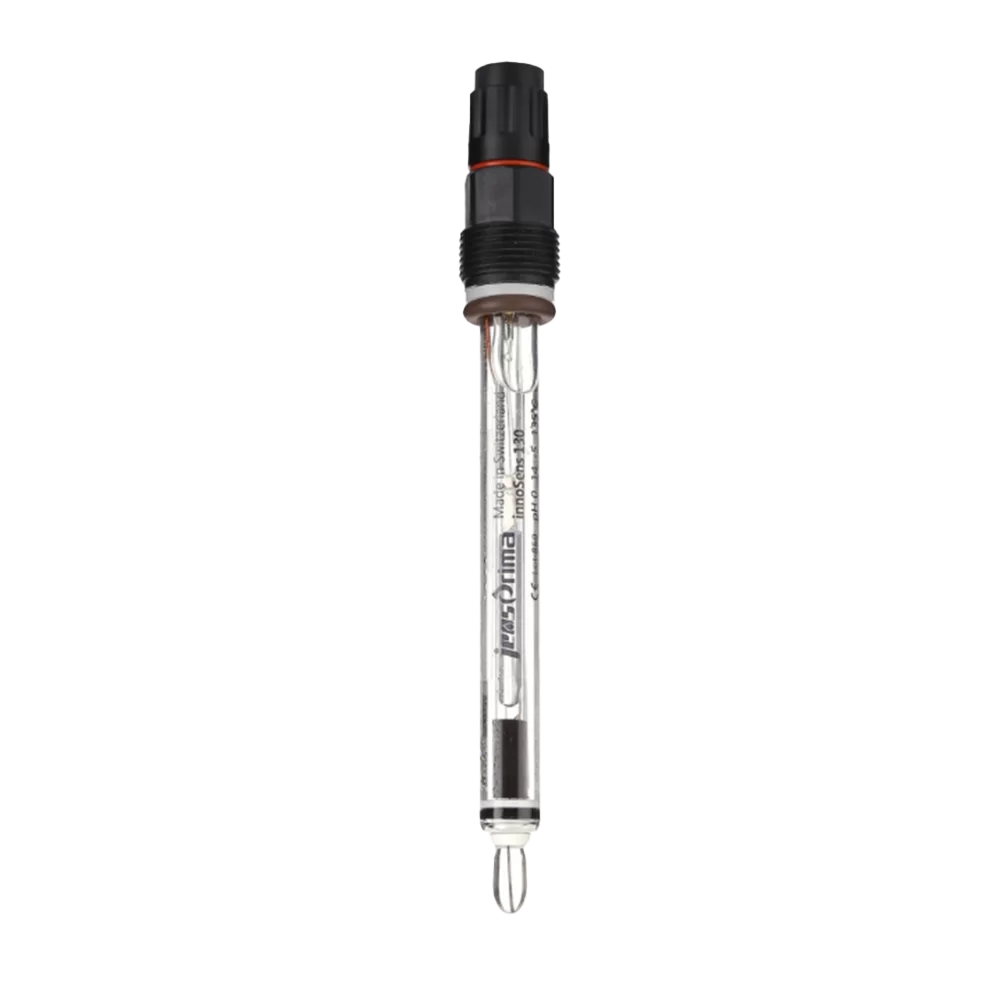
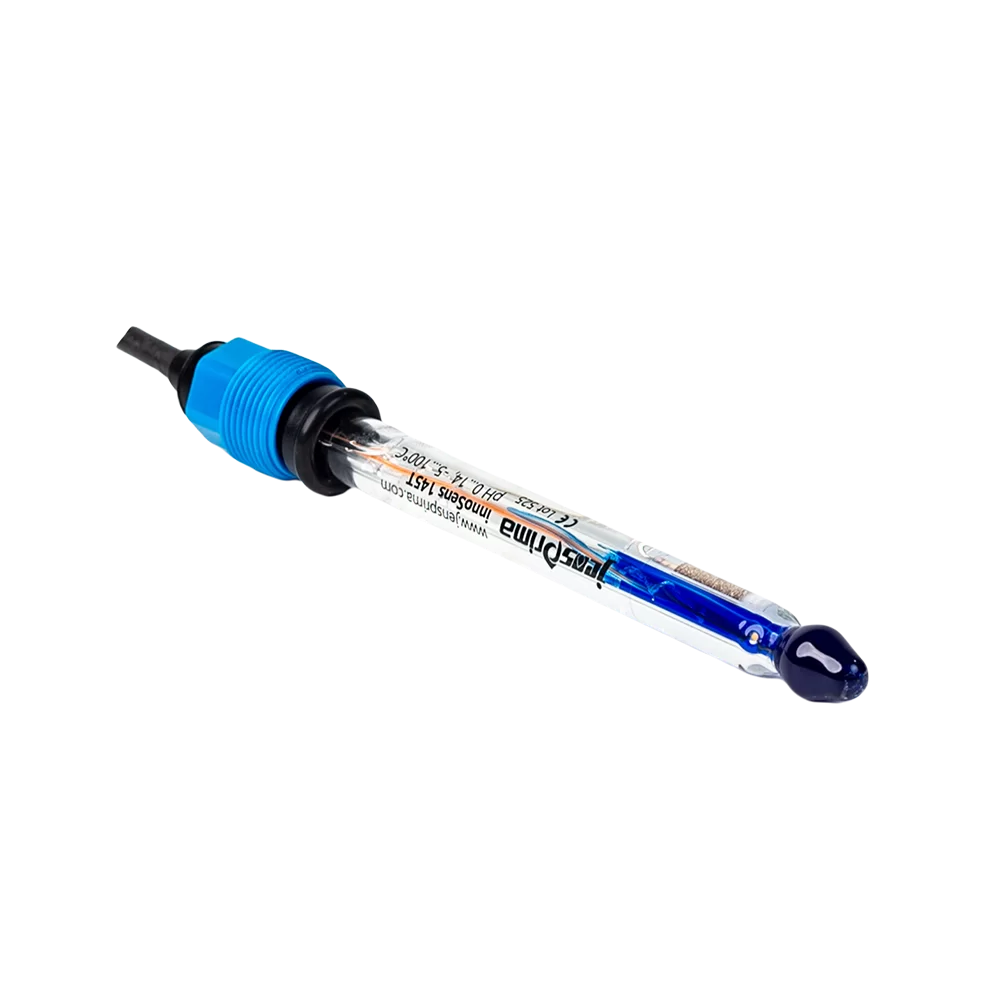
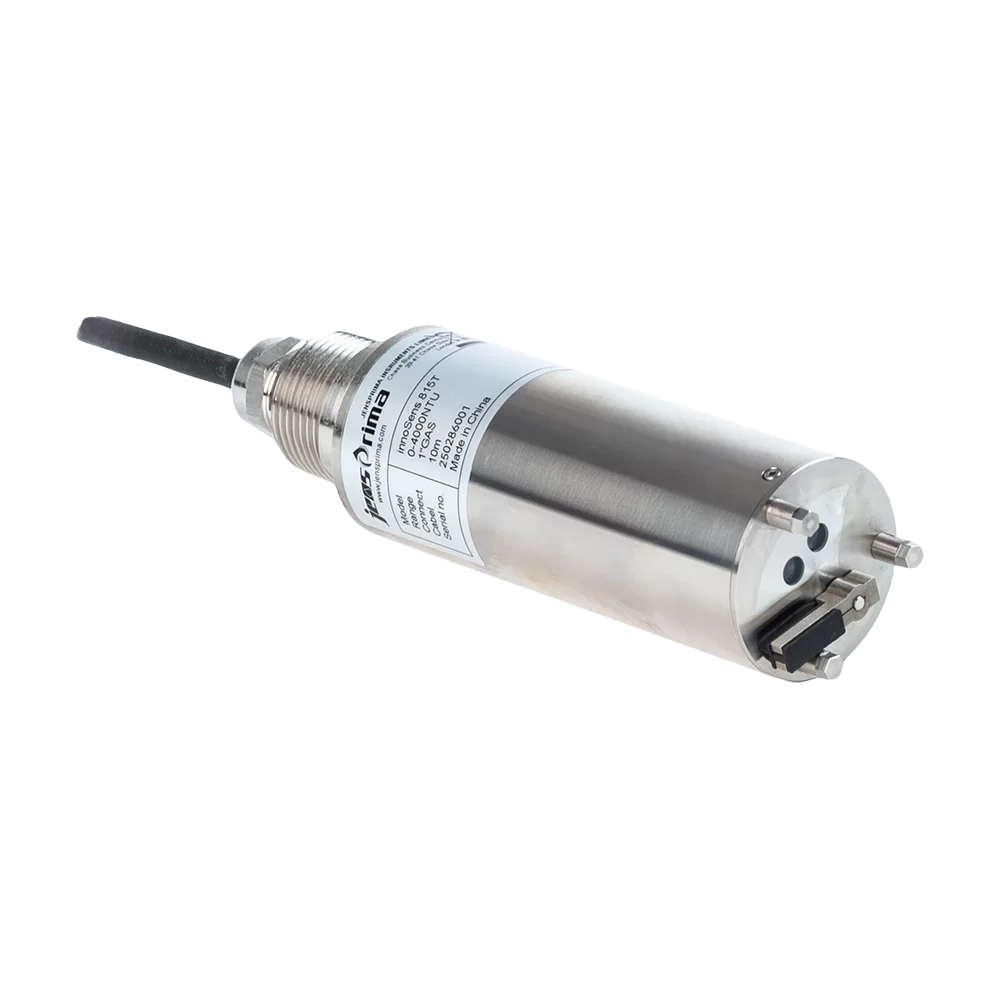
Online water quality analyzer systems employ diverse analytical principles tailored to the specific parameters being measured. For pH measurement, electrochemical sensors utilizing glass electrodes are commonly used. Dissolved oxygen is often measured using optical sensors based on fluorescence quenching or electrochemical sensors employing Clark cells. Turbidity, a measure of water clarity, is typically determined using nephelometry, which measures the scattering of light by suspended particles.
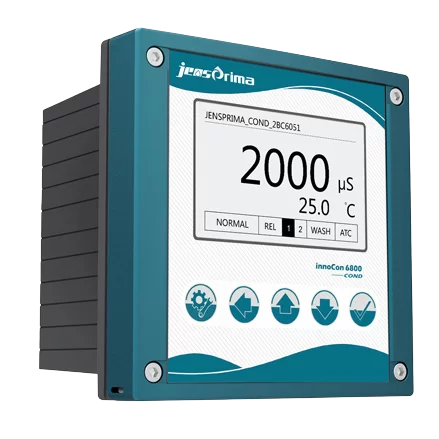
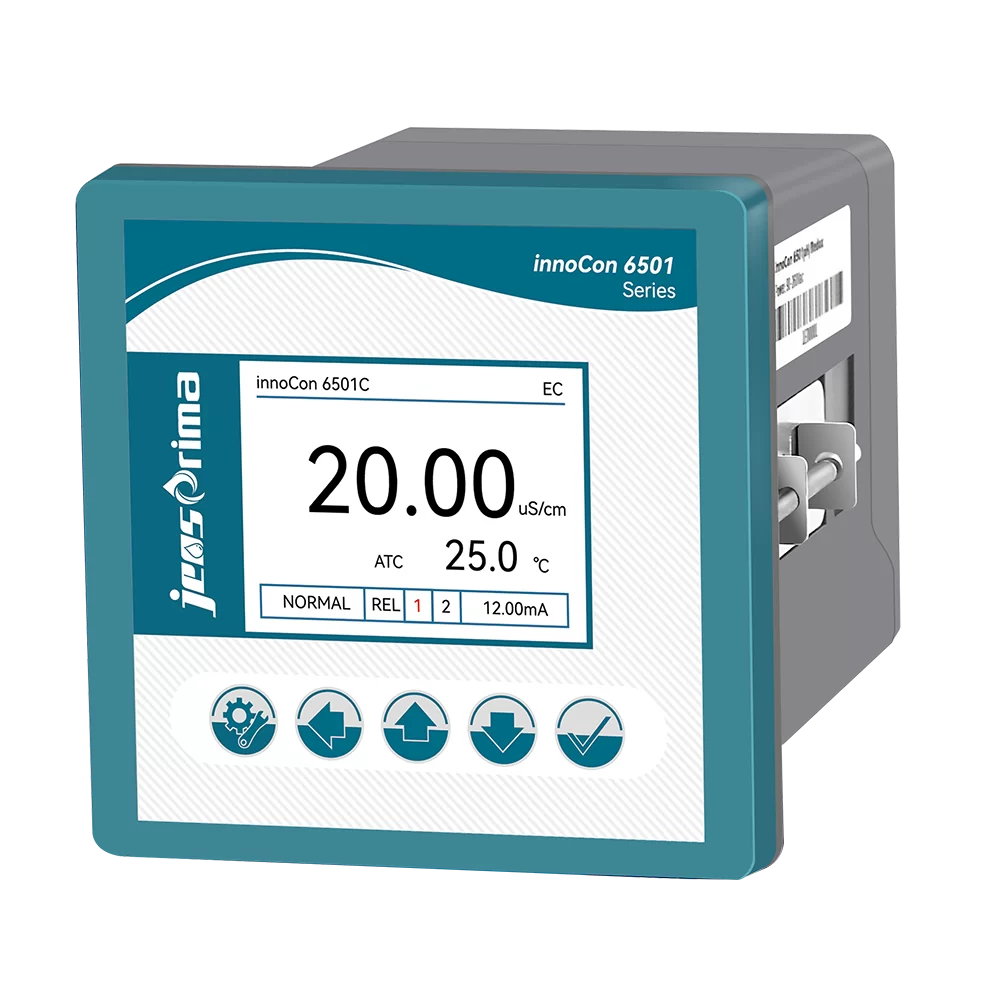
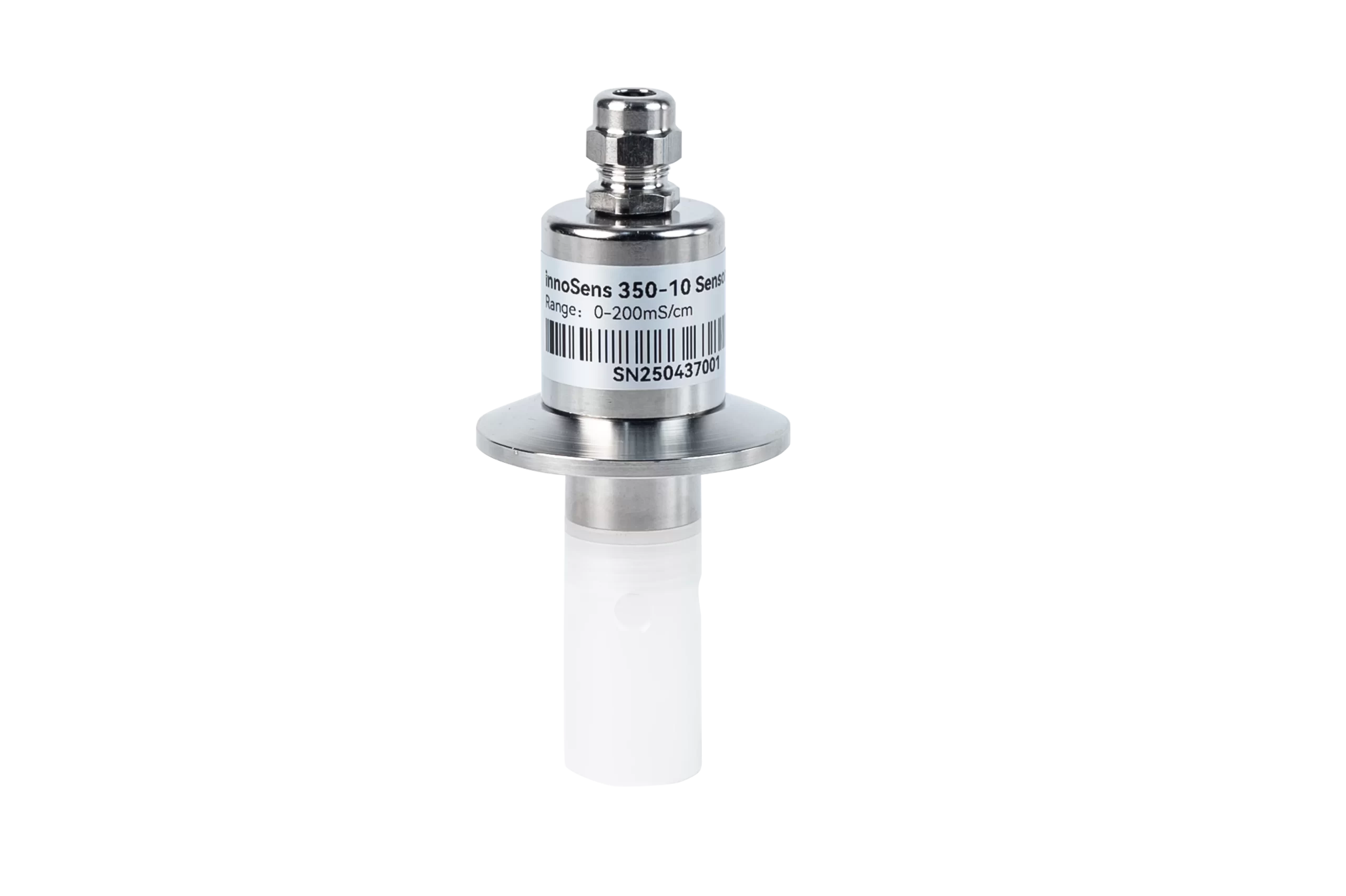
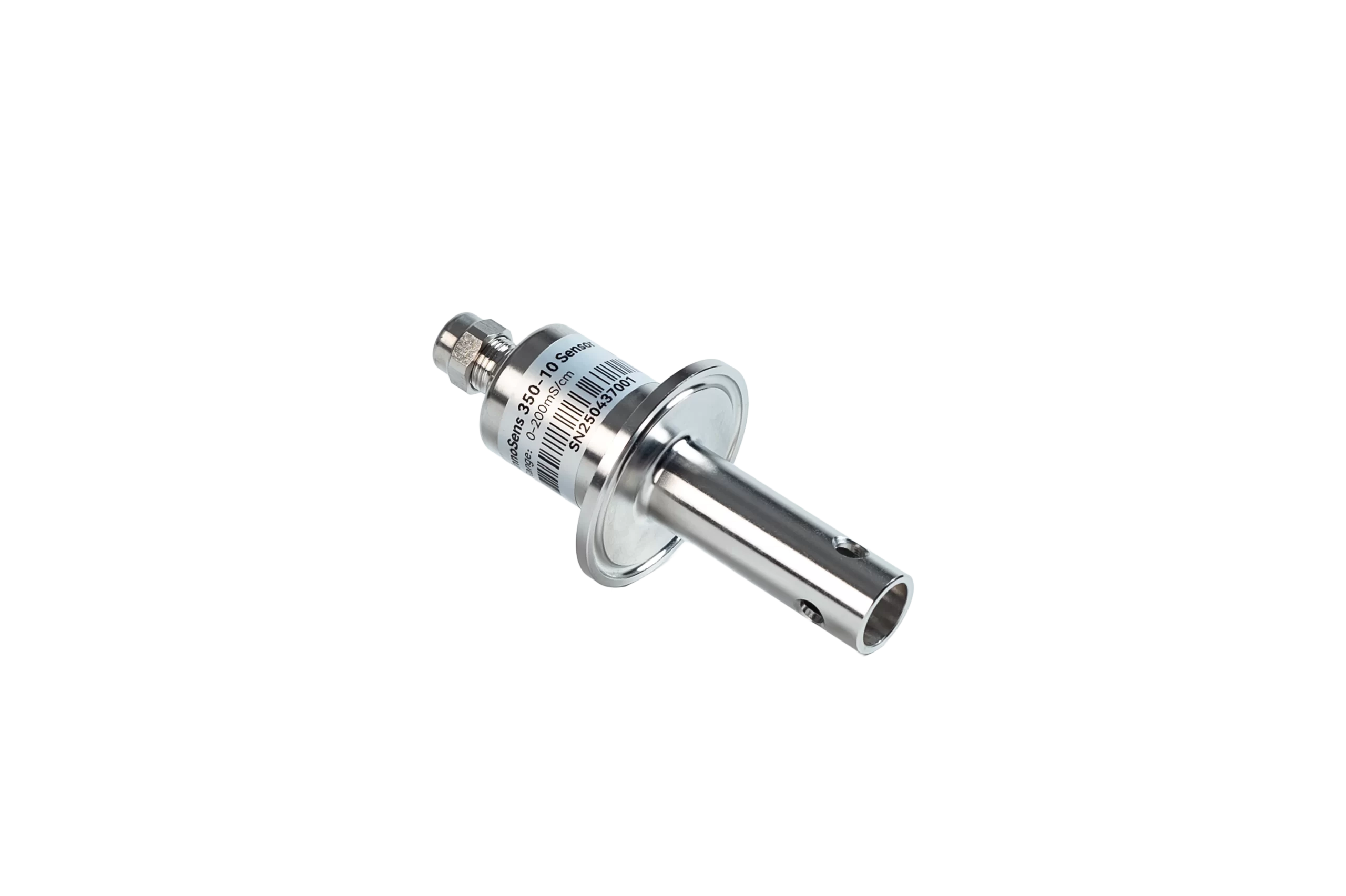
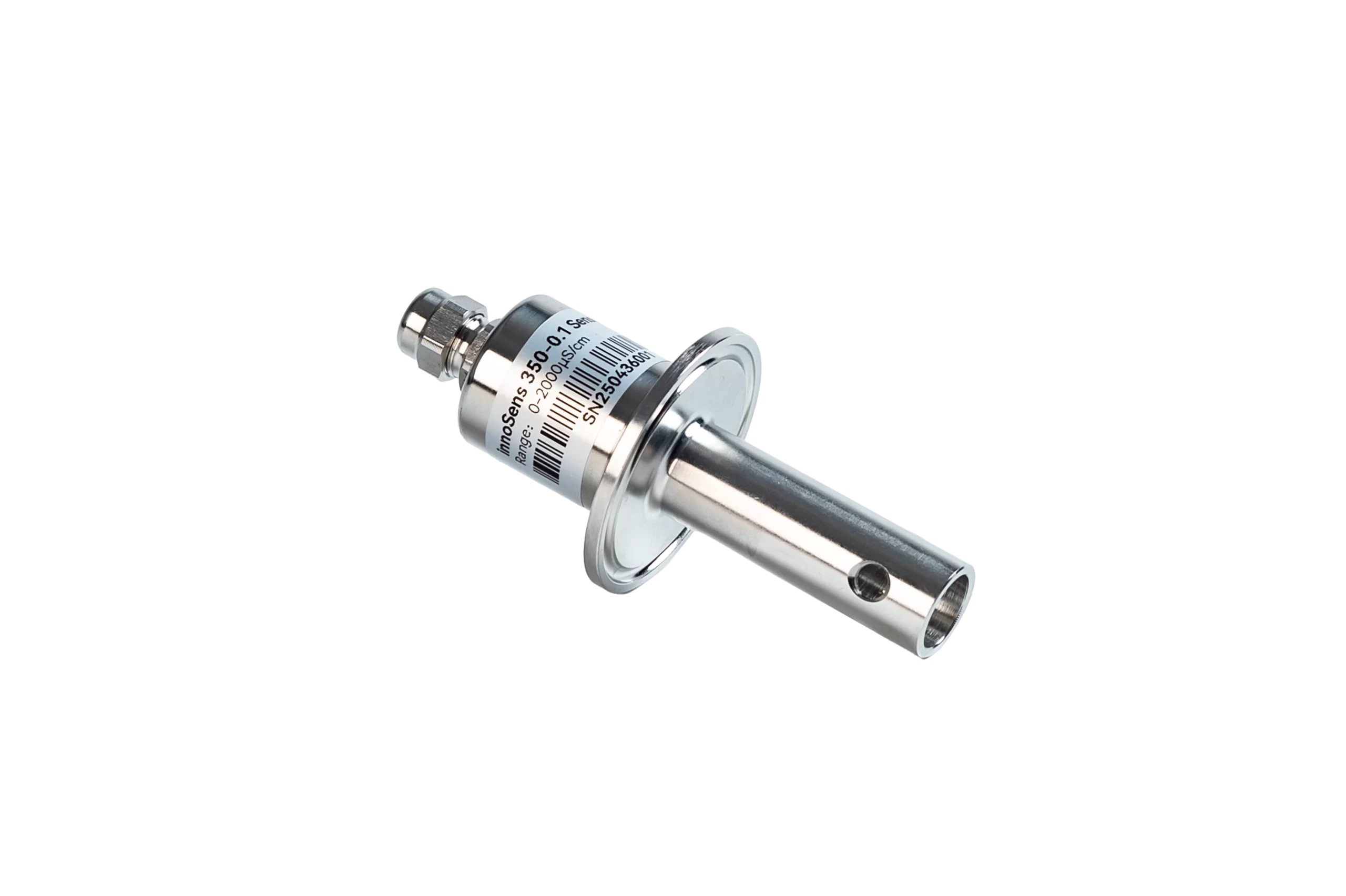
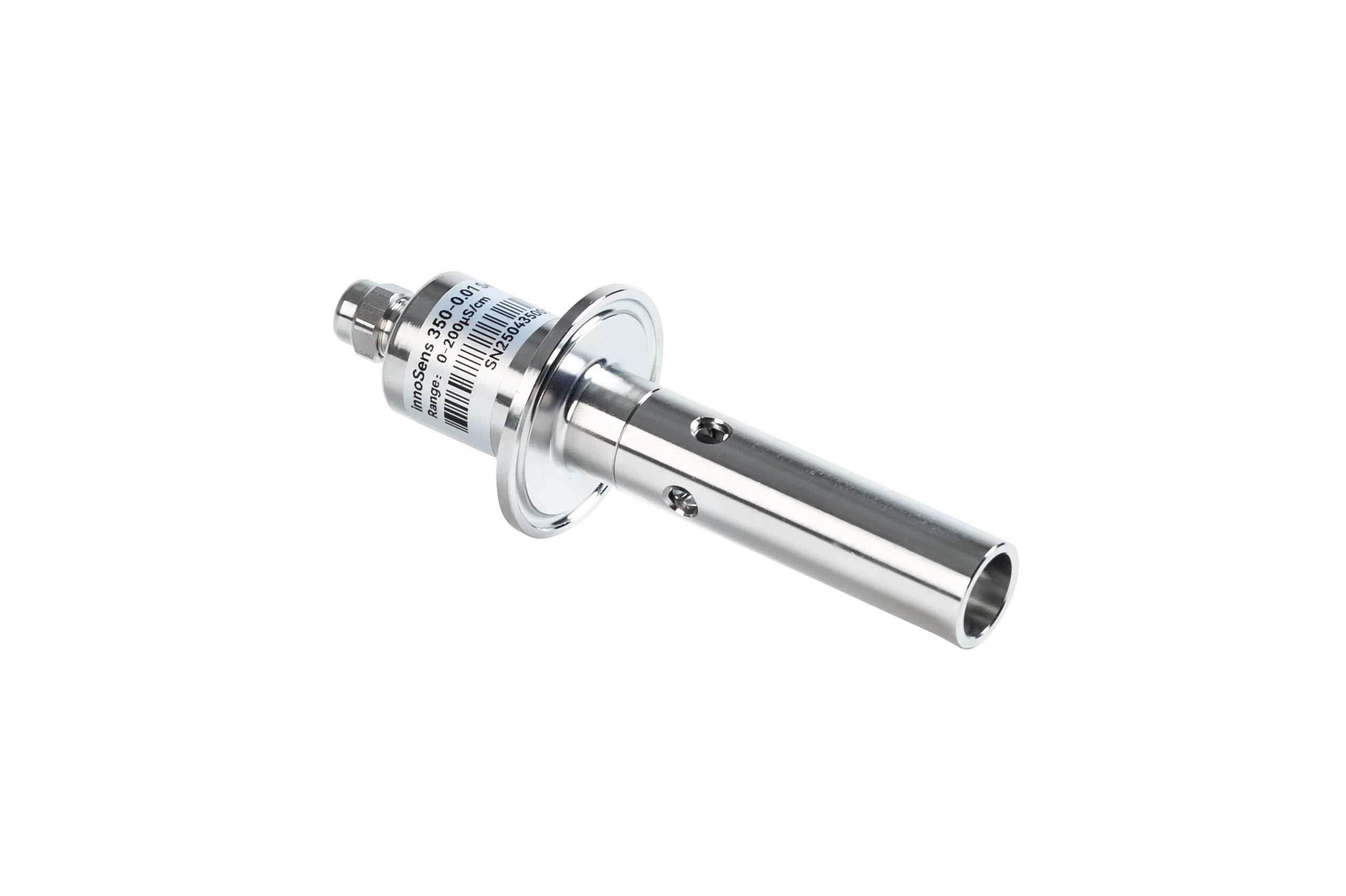
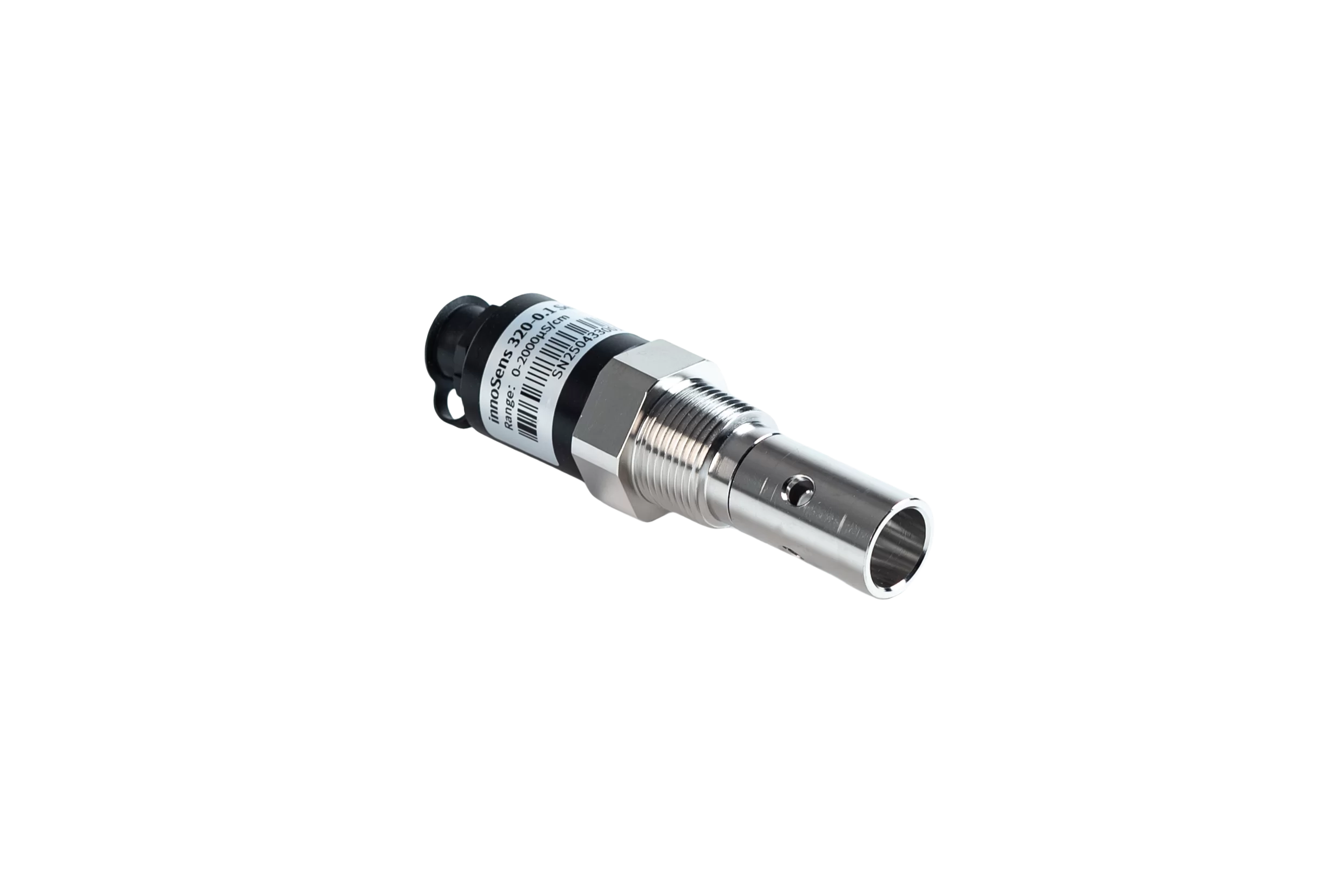
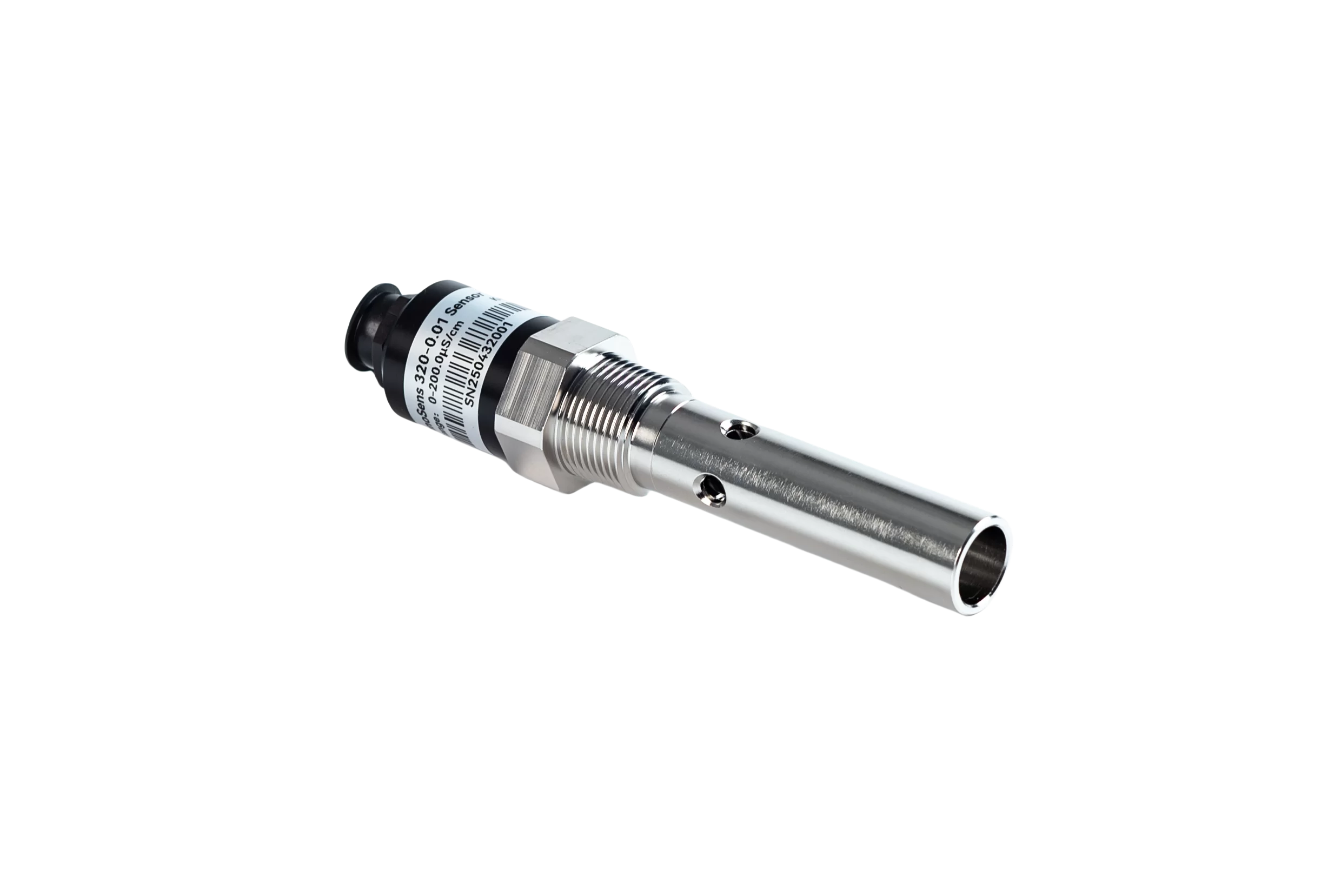
Conductivity, a measure of a water's ability to conduct electricity, is assessed using conductivity cells. Temperature sensors, often thermistors or thermocouples, provide crucial data for calibrating other measurements and understanding water behavior. More advanced analyzers incorporate spectroscopic techniques, such as UV-Vis spectroscopy, for identifying and quantifying specific chemical compounds. The data acquired by these sensors is then processed and transmitted via a variety of communication protocols, including wireless networks and cellular connections.
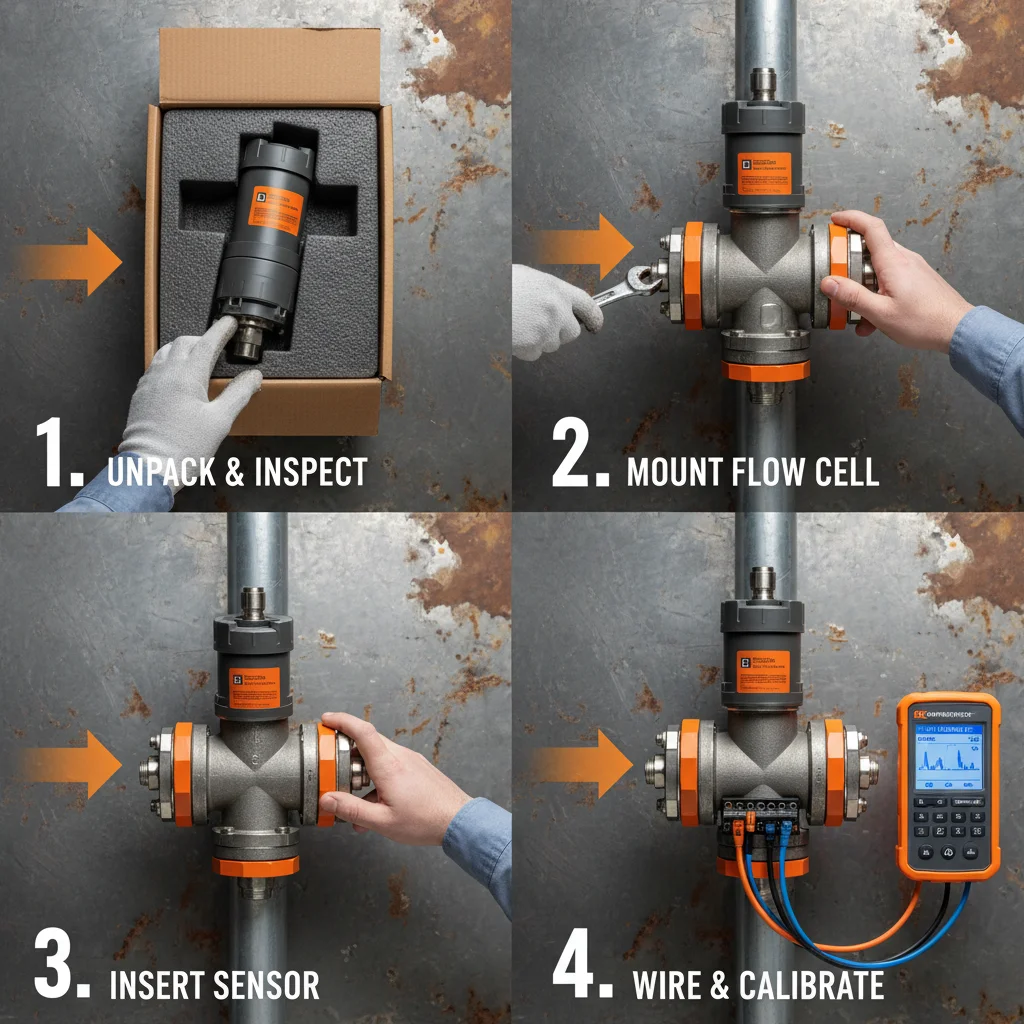
The reliability of data from an online water quality analyzer relies heavily on regular calibration and maintenance. Sensors can drift over time due to fouling or degradation, leading to inaccurate readings. Therefore, implementing a robust calibration schedule and routine cleaning procedures are vital for ensuring the integrity of the data and the effectiveness of the monitoring system.
Key Factors Driving Adoption
Several key factors are contributing to the increasing adoption of online water quality analyzer. Stricter environmental regulations worldwide are pushing industries to continuously monitor their wastewater discharge and ensure compliance with effluent standards. The cost of non-compliance can be substantial, making real-time monitoring a cost-effective investment.
The growing awareness of water scarcity and the importance of water resource management is also driving demand. Accurate, real-time data enables efficient allocation of water resources and helps to optimize water treatment processes. Furthermore, advancements in sensor technology and data analytics have made online water quality analyzer more affordable, reliable, and user-friendly.
Finally, the increasing need for proactive public health protection is a significant driver. Early detection of contaminants in drinking water sources allows for swift action to mitigate risks and prevent waterborne disease outbreaks. The ability to remotely monitor water quality, especially in remote or hard-to-reach areas, is particularly valuable in these situations.
Global Applications & Use Cases
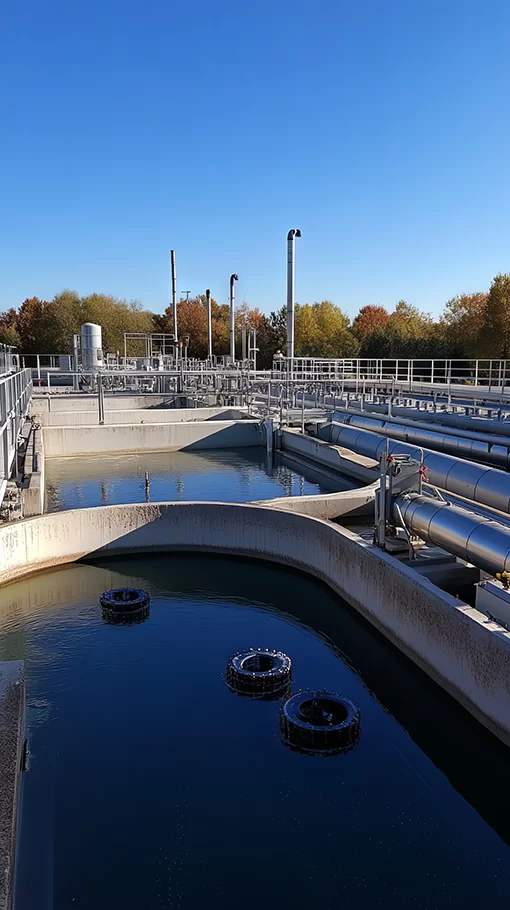
The applications of online water quality analyzer are incredibly diverse, spanning a wide range of industries and environments. In municipal water treatment plants, these systems continuously monitor the quality of raw water intake and treated water output, ensuring compliance with drinking water standards. Industrial facilities, such as power plants and chemical manufacturers, utilize them to monitor wastewater discharge and prevent pollution of waterways.
In aquaculture, real-time monitoring of dissolved oxygen, pH, and ammonia levels is crucial for maintaining optimal conditions for fish growth and preventing fish kills. Environmental monitoring agencies deploy online water quality analyzer in rivers, lakes, and coastal waters to assess water quality trends and identify pollution sources. In remote industrial zones, such as mining operations, they provide critical data for environmental impact assessments and remediation efforts.
In post-disaster relief operations, these analyzers can quickly assess the potability of water sources and help to ensure that affected populations have access to safe drinking water. Moreover, the use of these systems is expanding in precision agriculture to optimize irrigation practices and minimize fertilizer runoff, contributing to more sustainable farming methods.
Comparative Analysis of online water quality analyzer Methods
Advantages & Long-Term Value
The benefits of utilizing online water quality analyzer are substantial and far-reaching. From a cost perspective, real-time monitoring can significantly reduce the need for frequent and expensive laboratory analyses. Early detection of contamination events allows for quicker responses, minimizing the potential for costly remediation efforts and regulatory fines. The systems also contribute to improved operational efficiency by optimizing water treatment processes and reducing chemical consumption.
From a sustainability standpoint, these analyzers promote responsible water resource management by providing data-driven insights into water quality trends. This information can be used to develop more effective conservation strategies and minimize the environmental impact of human activities. The social impact is equally important, as access to safe and clean water is a fundamental human right. Online water quality analyzer contribute to public health by enabling proactive monitoring and ensuring the safety of drinking water supplies.
Future Trends & Innovations
The future of online water quality analyzer technology is poised for significant advancements. The integration of artificial intelligence (AI) and machine learning (ML) algorithms will enable more sophisticated data analysis and predictive modeling, allowing for early warning of potential water quality issues. The development of miniaturized, low-power sensors will facilitate the deployment of large-scale monitoring networks, providing comprehensive coverage of water resources.
Another promising trend is the use of advanced materials, such as nanomaterials, to enhance the sensitivity and selectivity of sensors. These materials can improve the detection of trace contaminants and reduce the risk of false positives. Furthermore, the convergence of water quality monitoring with the Internet of Things (IoT) will create smart water management systems that can autonomously optimize water treatment processes and respond to changing conditions.
Challenges & Solutions
Despite the many advantages, several challenges remain in the widespread adoption of online water quality analyzer. One major hurdle is the cost of initial investment and ongoing maintenance, particularly for smaller municipalities and developing countries. Fouling and biofouling of sensors can also be a significant problem, requiring regular cleaning and calibration. Data security and cybersecurity are growing concerns, as networked monitoring systems are vulnerable to cyberattacks.
To address these challenges, innovative financing models and public-private partnerships can help to reduce the financial burden. The development of self-cleaning sensor technologies and robust data validation algorithms can mitigate the impact of fouling. Implementing robust cybersecurity protocols and data encryption techniques is crucial for protecting sensitive water quality data. Furthermore, standardized data formats and communication protocols will facilitate data sharing and interoperability between different monitoring systems.
Ongoing research into new sensor technologies and data analytics techniques will continue to drive improvements in the performance, reliability, and affordability of online water quality analyzer, ensuring their continued role in safeguarding our precious water resources.
Summary of Challenges and Solutions Related to Online Water Quality Analyzers
| Challenge Area |
Specific Challenge |
Impact on Analyzer Performance |
Potential Solution |
| Cost |
High Initial Investment |
Limits adoption, especially in resource-constrained settings. |
Explore leasing options, public funding, and open-source designs. |
| Maintenance |
Sensor Fouling |
Reduced accuracy, increased calibration frequency. |
Self-cleaning sensors, anti-fouling coatings, automated calibration. |
| Data Security |
Cybersecurity Threats |
Compromised data integrity, system disruptions. |
Data encryption, robust access controls, regular security audits. |
| Data Management |
Data Overload |
Difficulty in identifying meaningful trends and anomalies. |
AI-powered data analytics, automated reporting tools, cloud-based data storage. |
| Connectivity |
Remote Location Challenges |
Difficulty in transmitting data from remote monitoring sites. |
Satellite communication, long-range wireless networks, LoRaWAN. |
| Standardization |
Lack of Interoperability |
Difficulty in integrating data from different analyzer brands. |
Develop open communication protocols, standardized data formats. |
FAQs
The lifespan of sensors in an online water quality analyzer can vary significantly depending on the sensor type, the water quality being monitored, and the maintenance schedule. Generally, pH sensors last 1-2 years, dissolved oxygen sensors 2-3 years, and turbidity sensors 3-5 years. Regular calibration and cleaning are crucial for maximizing sensor lifespan. Replacing sensors proactively prevents inaccurate readings and ensures the reliability of the monitoring system.
Calibration frequency for an online water quality analyzer depends on the sensor type, the stability of the water being monitored, and the specific regulatory requirements. As a general guideline, pH sensors should be calibrated weekly or bi-weekly, dissolved oxygen sensors monthly, and turbidity sensors quarterly. Automatic calibration features, where available, can significantly reduce the labor required for calibration and ensure consistent accuracy.
Online water quality analyzer offer a variety of data communication options, including 4-20mA analog signals, Modbus, RS-485, Ethernet, and wireless technologies like cellular and LoRaWAN. The choice of communication protocol depends on the distance to the central monitoring station, the bandwidth requirements, and the existing infrastructure. Cloud connectivity is becoming increasingly common, allowing for remote access to data and automated reporting.
Yes, online water quality analyzer are available that are specifically designed for monitoring saltwater environments. These analyzers utilize sensors that are resistant to corrosion and fouling in saline conditions. It’s important to choose sensors and materials that are compatible with seawater, and to implement appropriate maintenance procedures to prevent damage from salt buildup. Conductivity measurements are particularly important in saltwater monitoring.
Laboratory analyzers require manual sample collection and transport to a lab for analysis, providing a snapshot of water quality at a specific time. Online water quality analyzer provide continuous, real-time data directly in the field. Online analyzers are ideal for monitoring dynamic water conditions and detecting sudden changes in water quality, while lab analysis is better suited for detailed characterization of complex samples. They complement each other for a holistic water quality monitoring program.
The cost of an online water quality analyzer system varies widely depending on the number of parameters being monitored, the complexity of the system, and the manufacturer. A basic system monitoring pH, temperature, and dissolved oxygen can cost between $5,000 and $15,000, while more sophisticated systems with multiple sensors and advanced communication capabilities can exceed $50,000. Ongoing costs include calibration, maintenance, and data management fees.
Conclusion
In conclusion, online water quality analyzer are essential tools for effective water resource management and public health protection. They provide continuous, real-time data that enables proactive monitoring, rapid response to contamination events, and informed decision-making. From municipal water treatment to industrial effluent monitoring and environmental research, these systems are transforming the way we understand and manage our water resources.
Looking ahead, the integration of advanced technologies like AI, machine learning, and IoT will further enhance the capabilities of online water quality analyzer, leading to smarter, more efficient, and more sustainable water management practices. Investing in these technologies is crucial for ensuring access to safe and clean water for future generations. Visit our website at www.jensprima.com to learn more about our innovative water quality monitoring solutions.




 Download
 Video Center
 Technical Services
 FAQS
FAQS Service Network
 Privacy Policy
 Contact Us